

Bolivia marks Aymara New Year at sunrise
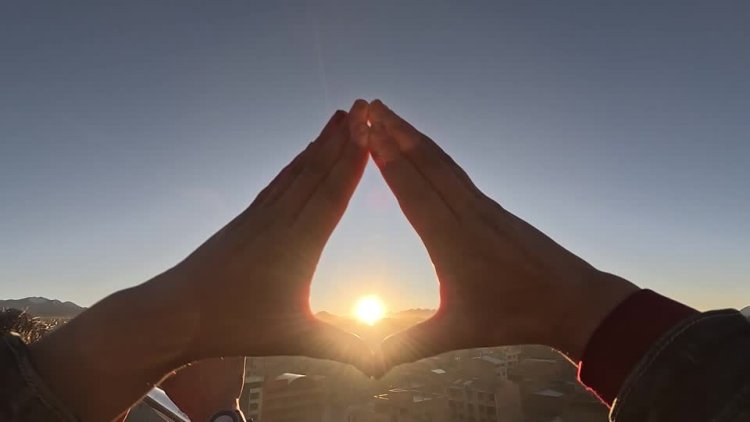
As dawn broke over the mountains Bolivians celebrated the Aymara New Year, welcoming the first rays of the morning sun. The festivities began at a colorful site known as "The Cruiser of the Andes," where participants gathered to enjoy indigenous music and warm themselves in the sunlight.
During the ceremony in El Alto, attendees made a bonfire and offered gifts to Pachamama (Mother Earth) and Father Sun, seeking blessings for a bountiful crop and good health. The Aymara people believe that "father sun," or "Al Tata Inti," provides warmth to the Earth on this New Year, signaling the arrival of spring. Historically, native peoples in pre-Hispanic America relied heavily on agriculture, and many rituals were designed to secure divine blessings for abundant harvests.
Celebrations took place at high-altitude sites such as Tiwanaku, La Paz, El Alto, and Valle de la Luna, marking the winter solstice, known locally as Willkakuti, or "return of the sun." Participants, including elders, amautas (Andean priests), and visitors, greeted the sun with raised hands, chants, traditional music, bonfires, and offerings to Inti (the Sun God) and Pachamama. Rituals often included burning coca leaves and alcohol, llama sacrifices, and symbolic gestures intended to invite cosmic energy and ensure fertility, prosperity, and health for the upcoming agricultural year.
Willkakuti has been a national holiday in Bolivia since 2009-2010, established during Evo Morales’s presidency. Ceremonies are held in over 200 locations, with around 30,000 people attending the main ritual at Tiwanaku’s Kalasasaya temple and Puerta del Sol at sunrise. The event highlights a revival of pre-Hispanic spiritual traditions and cultural identity, deeply intertwined with agricultural cycles and Indigenous cosmology, blending ancient rites with a modern affirmation of indigenous heritage and cosmic connection.