

Bolivian teachers defy emergency to protest costs
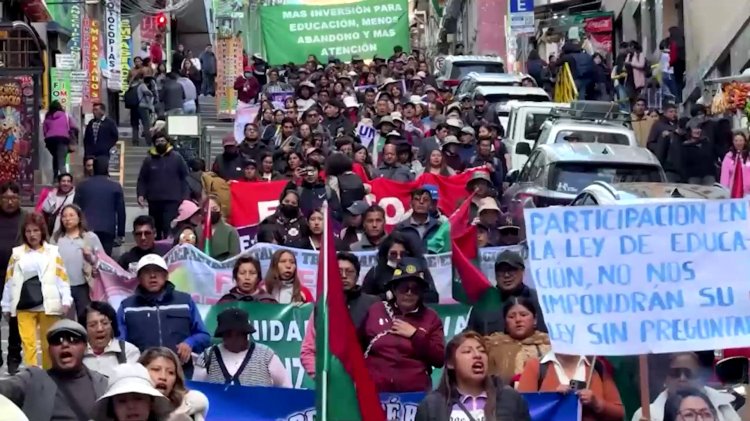
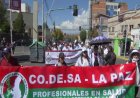
Hundreds of teachers across Bolivia have taken to the streets, defying a state of emergency to protest government economic policies and the rising cost of living. Protests, notably in La Paz, highlight widespread frustration over inflation, low wages, and reforms. The state of emergency, declared June 20, 2026, by President Rodrigo Paz, responded to weeks of anti-government protests and road blockades disrupting essential supplies. These earlier protests, sparked by austerity measures including fuel subsidy cancellation, aimed to reduce the fiscal deficit. The decree granted military powers to clear blockades and restore order. However, teacher-led protests indicate discontent persists. Educators demand a 20% wage increase and a reversal of the government's economic agenda. Union leaders oppose the $1.9 billion IMF agreement, arguing its conditions, like phasing out fuel subsidies, will privatize the economy and harm families. The government already lifted the diesel subsidy for large producers. The state of emergency, initially 90 days, is nearing conclusion, with an extension requested. Police monitor teachers' marches, allowing them to proceed despite restrictions. This underscores the balance Paz faces between implementing reforms and addressing social unrest fueled by rising costs and eroding purchasing power. The broader movement against President Paz's policies includes miners, transport workers, farmers, and indigenous communities, reflecting grievances since his November ascent, ending nearly two decades of Movement Toward Socialism rule.