

Bolivia’s president reshuffles key institutions
Rodrigo Paz appoints central bank board and new military chiefs
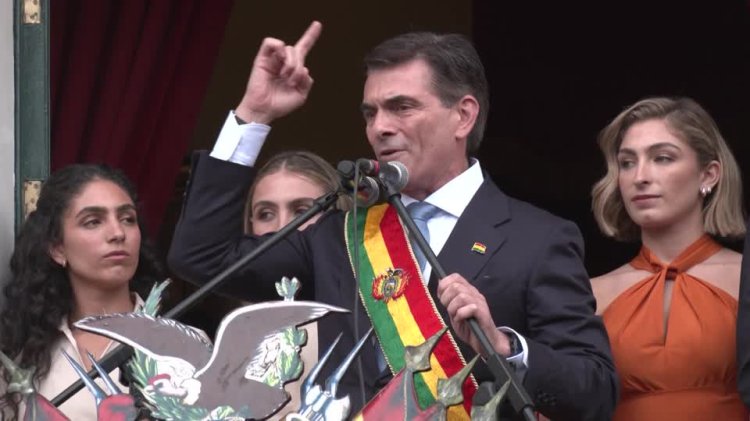
Bolivia’s new President Rodrigo Paz has moved swiftly to restructure key state institutions, swearing in a fresh board for the country’s central bank and naming new military chiefs in the opening days of his administration. The changes come as Paz described the inherited state apparatus as a “cesspool” of corruption and mismanagement, vowing a clean break with the previous regime.
At the ceremony in La Paz, Paz emphasised that his government must “drain” the old system and restore trust in public institutions. He referenced years of state intervention, subsidy over-reach and poor fiscal discipline under the previous administration as reasons for deep economic peril and institutional decay. To signal this new phase, he approved appointments to the Central Bank of Bolivia board and replaced senior military leaders in a move seen as part of a broader effort to strengthen independence of institutions and civilian control over defence.
The upheaval in the central bank comes at a time when Bolivia is facing its worst economic crisis in decades, with inflation soaring, foreign reserves dwindling and the currency under pressure. New board members were asked to prioritise restoring the bank’s credibility, reopening lines of international finance and rebuilding governance frameworks. Analysts note that appointing trusted figures to these key posts is a signal to markets and international lenders that the administration plans to adopt more orthodox economic policies.
In the defence sector, the appointment of new military chiefs was presented by Paz as necessary to safeguard national sovereignty and ensure the armed forces serve under transparent oversight rather than being used for political ends. He pointed to past concerns over politicisation of the military and asserted that new leadership must reflect a different ethos. The reshuffle is also seen within the context of the president’s pledge to re-align Bolivia with international partners and reinforce regional security cooperation.
Observers say that while the new president’s rhetoric is vigorous, the real test will lie in how quickly his administration can roll out reforms, stabilise the economy and show tangible reductions in corruption and institutional dysfunction. With his party controlling only a minority in Congress, executing these changes will require building alliances or negotiating with opposition forces. Nonetheless, the early appointments mark a clear attempt by President Paz to establish a new tone for governance and institutional renewal in Bolivia.