


Brazil pioneers interstate robot surgery
Doctors perform 3,000 km remote operation using standard internet
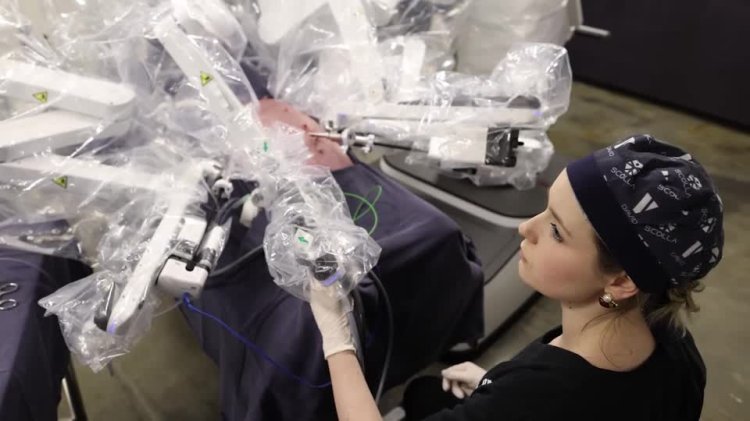
Brazilian medical teams achieved a significant milestone in tele‑robotic surgery by performing an interstate remote operation on a live pig, controlling robotic equipment across more than 3,000 km between Campo Largo, Paraná and João Pessoa, Paraíba. The procedure used consumer‑grade internet connectivity, demonstrating that complex surgical tasks can be executed with acceptable responsiveness and stability over common communications infrastructure. Organisers said the success indicates a future in which surgeons could operate remotely from non‑clinical locations, including homes.
Coordinated by Dr. Marcelo Loureiro and supported by local science and technology officials, the experiment replicated advanced surgical maneuvers and met technical expectations for latency and control fidelity. It follows a recent Paraná achievement in which a surgeon in Kuwait operated on a patient in Curitiba over a record 12,035 km round trip, highlighting Brazil’s rapid progress in long‑distance telesurgery capabilities.
Project leaders emphasised the potential clinical benefits: expanding specialist access to remote and underserved regions, reducing patient transfers, and enabling remote mentorship and training. The trial used live animal models to validate system performance, focusing on network reliability, real‑time instrument control and procedural precision—key barriers that have historically limited wider adoption of remote surgery.
Despite the milestone, researchers stressed that transitioning to human clinical practice requires addressing major non‑technical and safety challenges. Regulatory approval processes must be navigated, and robust contingency measures are needed to manage network outages or equipment failures. Ethical and legal frameworks must clarify cross‑jurisdictional surgeon licensing, malpractice liability and patient consent standards. Infrastructure disparities across regions and the need for certified local support teams at the patient site were also cited as hurdles.
Industry and academic commentators urged that future deployments include guaranteed service‑level agreements for connectivity, redundant communication pathways, and integrated fail‑safe mechanisms to allow immediate local intervention if remote control is lost. They also recommended pilot human studies under tightly controlled conditions and harmonised regulatory guidance to build clinical evidence and public trust.