

Brazil stages COP30 security drills in Belém
Thousands join multiagency exercises to safeguard the Amazon summit
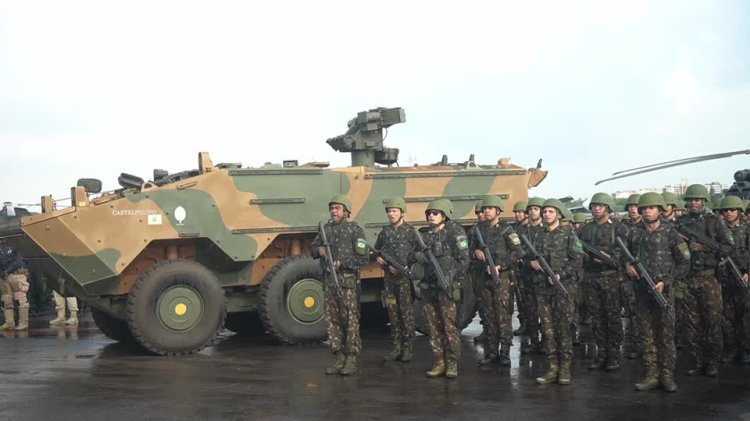
Brazilian security forces have staged extensive preparedness exercises in Belém ahead of the COP30 climate summit in the Amazonian city, mobilising thousands of personnel and testing multiagency responses to a wide range of threats. More than 7,000 military and security staff from the Army, Navy and Air Force took part in drills that included hostage‑rescue simulations led by BOPE (the Special Police Operations Battalion), a mock bombing at a shopping centre coordinated by the Northern Military Command, convoy‑escort rehearsals, simulated road closures and coordinated screening of diplomatic arrivals. Firefighters, paramedics, snipers and negotiators practised mass‑casualty response and trauma care, while armoured vehicles and aircraft supported exercises designed to validate timing, route viability and interagency readiness.
Authorities emphasize that the integrated security model echoes preparations for previous major events such as the Olympics, the World Cup and last year’s G20 summit, bringing together Polícia Federal, Polícia Rodoviária Federal, military units and state and municipal public‑security forces. The plan addresses land, air and river logistics to reflect Belém’s complex geography of rivers and lake systems, with reinforced deployments at Val‑de‑Cans Airport and the port of Outeiro. Officials say the exercises also test how to balance protections for freedom of expression with heightened public‑safety needs, anticipating protests and the need to preserve normal city life amid closures and traffic changes.
Security planners stress that while the likelihood of organised large‑scale terrorism is judged low, realistic risks include opportunistic crime, cyber intrusions, civil unrest and environmental hazards such as flooding. Those scenarios informed the drills as organisers seek to prevent disruptions that could affect the some 50,000 delegates expected to attend COP30, including more than 140 heads of state. A formal operational readiness ceremony at Belém Air Base marked the start of COP30 security operations and signalled national commitment to safeguarding the summit.
Despite progress on security, officials acknowledge logistical and infrastructure challenges remain. Some preparatory works are unfinished, and accommodation shortfalls and hotel capacity constraints could complicate delegate logistics. Federal and state authorities say they are fast‑tracking remaining tasks but warn that successful hosting will require swift coordination across agencies and continued work on housing and transport capacity.