Canada embraces EU associate membership offer
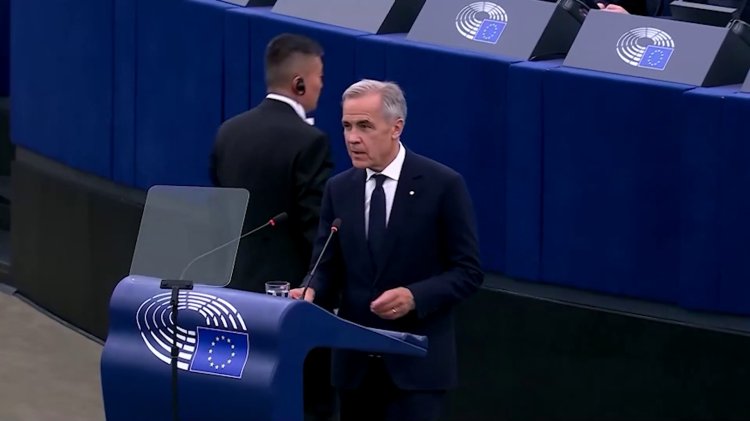
Canadian Prime Minister Mark Carney has embraced the European Union's invitation for Canada to become its first associate member, a potential shift in global alliances. Prime Minister Carney welcomed deeper cooperation and strategic autonomy for both Canada and Europe. The offer from European Commission President Ursula von der Leyen creates a new category, fostering closer ties across critical sectors. Amid trade tensions with the United States, President Donald Trump dismissed the idea as "laughable" and threatened tariffs on Europe. Carney asserted that the deepening of the EU-Canada relationship is a positive initiative, not merely a reaction to external pressures. This initiative reflects Canada's strategy to diversify its partnerships and reduce its reliance on trade with the United States. Canada and the European Union already share a robust relationship, underpinned by the Comprehensive Economic and Trade Agreement (CETA). Cooperation also spans security and defense. The associate membership builds on these frameworks, creating a unique economic and security alliance. While full membership in the EU is not being sought, discussions focus on comprehensive integration to strengthen resilience. This highlights a reorientation of Canada's foreign policy, seeking a stronger global presence through ties with Europe. Discussions explore possibilities short of full EU membership, including visa-free living and working for Canadians in the EU. This strategic pivot underscores collective resilience against economic and geopolitical pressures. Formalization of this associate status would mark a historic moment, reshaping geopolitical dynamics and setting a precedent.