Chile's Atacama Desert bursts into bloom
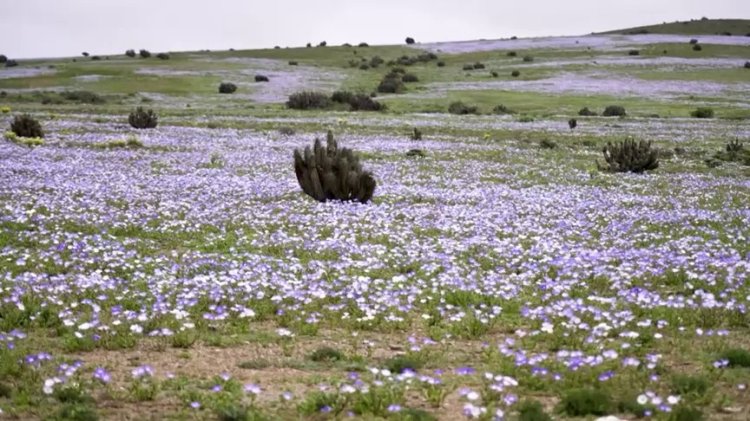
The Atacama Desert in Chile, the driest non-polar desert on Earth, is transforming spectacularly. Known as "Desierto Florido," or the Flowering Desert, this rare event sees the arid landscape burst into a vibrant tapestry of wildflowers. It is triggered by unusually heavy rainfall, often linked to El Niño, which awakens thousands of dormant seeds and bulbs hidden beneath the desert soil for years.Typically, "Desierto Florido" occurs only once every five to seven years, making its appearance highly anticipated. This season is expected to be historic, with the bloom potentially extending across up to 15,000 square kilometers, due to unusually intense rains.Over 200 species of flowers, many endemic to the Atacama, create this breathtaking display. Visitors can witness a stunning array of colors, including violets, whites, golden hues, pinks, yellows, reds, and blues, with prominent species like "Garra de León" (lion's claw), "Pata de Guanaco" (guanaco's paw), and "Añañuca" lilies. It unfolds between late August and November, with different species germinating at varying times, creating a shifting palette of colors.The "Desierto Florido" is an ecological marvel and a significant tourist attraction, drawing visitors globally to witness its fleeting beauty. To protect this unique ecosystem and its seed banks, the Desierto Florido National Park was established in June 2023. Authorities implement measures like designated viewing areas and bans on removing flowers to ensure future generations can enjoy the phenomenon.