Clashes erupt over fuel cuts in Bolivia
Workers protest subsidy repeal as police fire tear gas

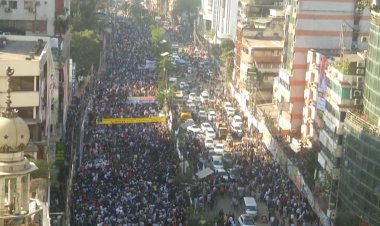
Tensions escalated in La Paz as members of the Bolivian Workers Union (COB), including miners and factory workers, clashed with police during protests demanding the repeal of a government decree that ended fuel subsidies and triggered steep increases in transport fares and basic goods. Security forces sealed off access to Plaza Murillo, home to the presidential palace and Congress, as hundreds of demonstrators sought to breach the restricted zone. Police fired tear gas to disperse the crowd while riot units engaged protesters who hurled stones, set off firecrackers and detonated small charges of dynamite—tactics commonly used in mining protests.
Authorities reported multiple injuries and at least two detentions, including four police officers among the wounded. Witnesses described smoke-filled streets and explosions echoing through the city as clashes spread across several blocks already disrupted by rival groups and blockades. Despite a government invitation for talks, the COB continued demonstrations; its executive secretary agreed to attend dialogue after consulting regional affiliates but said protests around government buildings would carry on.
The unrest centers on the administration’s decision to cut fuel subsidies, a fiscal move officials justify as necessary to relieve public finances and deter cross-border fuel smuggling. Protest leaders and miners argue the policy sharply raises transportation and production costs, threatening livelihoods in mining communities and worsening already precarious living conditions. They say higher fuel prices translate directly into more expensive food and services and accuse the government of sacrificing working-class welfare for fiscal targets.
President Luis Arce’s government defended the reform as an unpopular but required step to stabilize the economy, while condemning the use of explosives and violence. Officials warned they would not tolerate attacks on public order and accused some groups of exploiting economic grievances for political ends. Security forces increased their presence around key government sites and maintained cordons intended to prevent further attempts to reach the presidential palace and legislature.
Analysts noted Bolivia’s long history of powerful labor movements—miners in particular have been pivotal in past political upheavals—and said the clashes reflect deeper social strains as the government balances economic reforms against mounting public anger over inflation and falling purchasing power. The current protests add to a broader pattern of sectoral mobilizations confronting the administration over cost-of-living pressures.