

Colombia intercepts major cocaine shipment
Navy seizes 4.5 tonnes of cocaine and arrests suspects

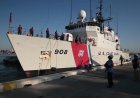
Colombian naval forces intercepted a shipment of roughly 4.5 tonnes of cocaine in Caribbean waters, seizing 180 bales and arresting five suspects in an unique operation officials said dealt an estimated $216 million blow to trafficking networks. The interdiction occurred about 80 nautical miles northwest of the Gulf of Morrosquillo after naval intelligence detected a go‑fast boat headed toward Honduras. Authorities suspect the consignment was bound for transnational markets and linked to the Clan del Golfo, one of the country’s most powerful organized armed groups.
Officials said the haul would have supplied about 11.2 million doses on regional streets, underscoring the seizure’s potential public‑safety impact. The operation combined maritime patrols and intelligence tracking to locate and board the suspicious vessel; crews found illicit cargo concealed among legitimate goods. The detained suspects were turned over to prosecutors as authorities continue efforts to trace the shipment’s origins and broader trafficking networks.
Colombian authorities described the interception as one of the larger recent maritime drug busts in the Caribbean corridor, a route traffickers frequently use to move cocaine toward Central America, the Caribbean and beyond. Officials framed the action as part of intensified counter‑narcotics operations aimed at disrupting supply lines and weakening criminal groups’ logistics. The Navy said the operation would be followed by continued patrols and cooperation with regional and international partners to deter future shipments.
The seizure arrives amid ongoing national and international pressure on Colombia to reduce drug exports and dismantle the financial structures of armed groups that profit from the trade. Beyond the immediate financial loss to traffickers, authorities emphasized the strike’s symbolic value in demonstrating maritime law‑enforcement reach and the effectiveness of intelligence‑driven interdictions. Investigators will pursue forensic and intelligence leads to identify production and transit links and to determine whether broader networks or accomplices remain at large.
Observers noted that such large maritime seizures can temporarily disrupt trafficking operations but may not eliminate smuggling due to adaptable routes and methods. Colombian officials therefore stressed the need for sustained patrols, improved intelligence cooperation with neighboring states, and follow‑up law‑enforcement actions targeting land‑based cells and financial conduits tied to groups like Clan del Golfo. The case will likely inform ongoing regional security discussions and joint efforts to tighten maritime surveillance across the Caribbean.