Brazil coral reef declines sharply
Heatwaves and human activity drive coral loss
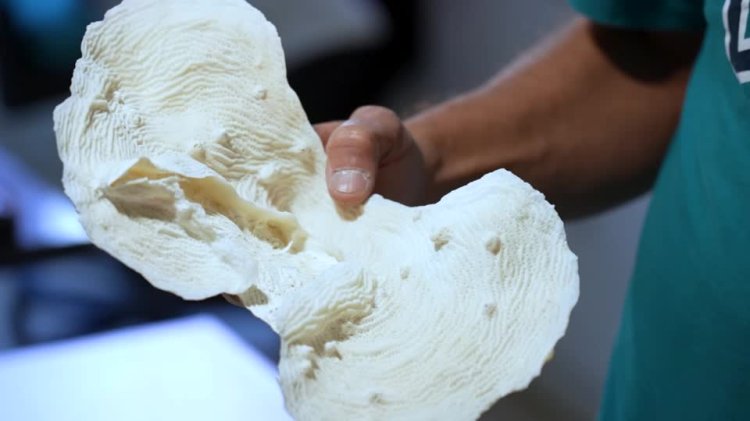
Researchers monitoring Brazil’s Abrolhos reef system report a roughly 15% decline in coral cover over the past 18 years, attributing the loss to climate-driven marine heatwaves and local human activities. The Abrolhos banks, the most biodiverse coral ecosystem in the South Atlantic, have experienced increasingly frequent bleaching events in which corals expel their symbiotic algae; while some corals regain color after heatwaves, scientists say they often develop necrosis, disease and eventual mortality as their health is compromised.
A long-term study from 2006–2023, published in Proceedings B, documents “insidious shifts in coral assemblages,” including the collapse of large branching corals that underpin reef structure. These slower-growing, architecturally important species are being replaced by faster-growing taxa that deliver fewer ecological benefits, weakening habitat complexity and the reef’s capacity to sustain diverse marine life. Coral reefs underpin about a quarter of marine species and provide fisheries, tourism income and coastal livelihoods; researchers warn that Abrolhos’ deterioration therefore poses broader socio-economic risks for Brazil’s coastline.
Beyond warming seas—global average temperatures are already 1.3–1.4°C above preindustrial levels—local stressors exacerbate decline. Sediment stirred by dredging at the Port of Caravelas degrades water quality and smothers corals, while existing marine protected areas have not halted the downward trend, underscoring that local protection alone cannot offset global warming. Scientists emphasize that meaningful reef recovery would require aggressive climate action to return temperatures to about 1°C above preindustrial levels, a threshold far below current warming.
The study’s authors call for integrated responses: urgent global emissions cuts to limit further heating, stricter local management to reduce sedimentation and pollution, and reinforcement of conservation strategies tailored to preserve structural coral species. Conservationists warn that without swift, coordinated intervention, continued shifts in species composition and loss of structural corals could lead to functional collapse of Abrolhos, imperiling biodiversity, fisheries and coastal communities that depend on the reef system.