Damascus faces deepening economic strain
Prices surge as conflict spillover hits markets
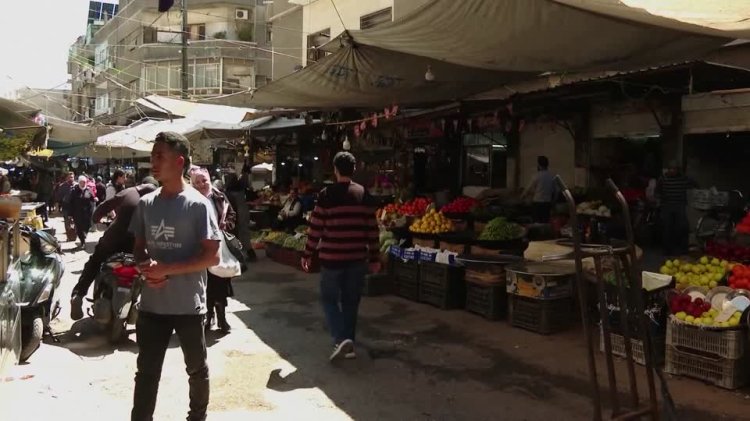
Spillover from the wider Middle East conflict has intensified economic hardship in Damascus, where sharp price hikes and shortages are compounding a crisis driven by years of war, sanctions and infrastructure collapse. Markets remain stocked with staples but soaring costs have pushed many customers away; residents report steep increases in basics such as bread, eggs, meat and cooking gas while purchasing power falls. Fuel price rises and disrupted cross‑border trade have driven up transportation and supply costs, feeding higher prices for domestic goods and tightening availability of imported items. Shopkeepers say sales have fallen markedly—vendors who once sold dozens of kilos of chicken daily now move roughly half that—and many businesses struggle to restock as market activity contracts.
Unemployment is widespread and incomes have plunged, leaving households to cut spending or rely on informal aid. A local resident said savings could vanish within months amid rapidly rising costs and scarce job opportunities, while a merchant described diesel, gasoline and gas price surges that have halved consumer purchasing power. Economists and officials point to a mix of entrenched structural problems—longstanding economic deterioration, sanctions and fiscal weakness—and new external shocks from regional instability that have destabilized energy markets, exchange rates and supply routes.
The combined effect is growing food insecurity and deepening poverty for many urban families, and mounting pressure on small businesses and public services that lack resources to respond. Authorities have limited capacity to reverse inflationary trends, and market expectations remain fragile, raising fears that the deterioration in living standards could accelerate without fresh economic relief or stabilization measures.