

May Day rallies draw crowds across Europe
Protests highlight labor rights and economic concerns
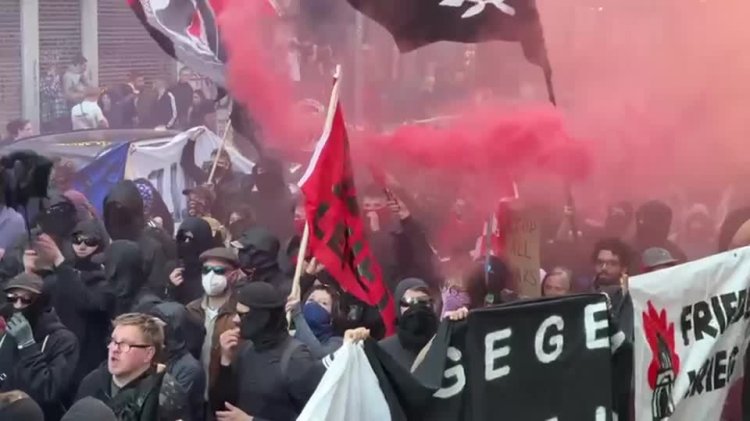
Some 10,000 people took to the streets of Berlin for traditional May Day demonstrations, drawing a mix of labor groups, activists and more militant elements to multiple marches and rallies across the city. The focal point was the annual “Revolutionary May Day” procession, where some participants — including black bloc groups — set off flares and chanted anti-government slogans. Authorities deployed about 5,300 officers, erected barriers and monitored key gathering points to deter unrest. While many events remained peaceful, with speeches, banners and organized marches highlighting workers’ rights, social justice and economic grievances, there were isolated incidents of tension and several arrests; police had not specified the reasons. By the evening the situation was largely calm but under continued police oversight, reflecting the city’s long history of combining orderly labor demonstrations with occasional confrontational actions on May Day.
In Madrid thousands marched from Gran Vía to Plaza de España in large demonstrations organized by unions and social groups to demand higher wages, affordable housing and stronger labor protections. Protesters rallied under slogans such as “Rights, not trenches,” linking rising living costs, stagnant wages and a deepening housing crisis to broader social erosion and democratic concerns. Speakers and union leaders warned that growing economic pressure and public-service funding shortfalls — notably in education — were damaging conditions for workers and families; Jesús Escribano of the CCOO called for better conditions across all sectors. The march also included vocal opposition to wars in the Middle East and to rising military spending, with demonstrators arguing that social cuts should not fund conflicts promoted by global leaders. Police monitored the route and the demonstration passed largely peacefully, underscoring widespread frustration over living standards and the intertwining of domestic economic demands with international political grievances as protesters used the annual May Day platform to press for concrete policy changes.