

Demolitions in Mogadishu leave families homeless
Aid groups condemn forced evictions as rights violations
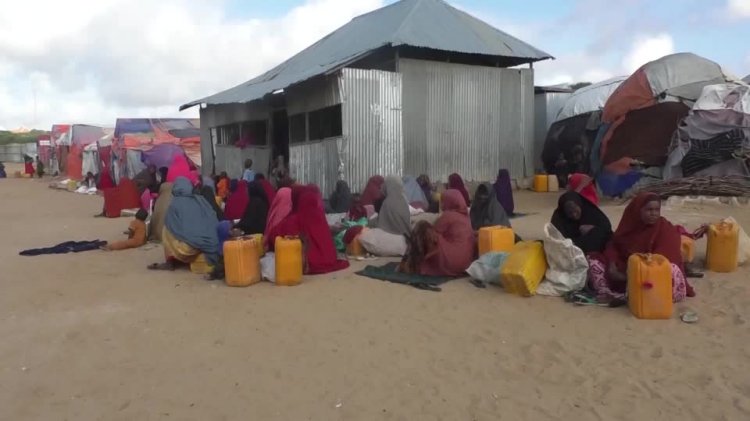
Hundreds of families in Mogadishu have been rendered homeless after government-led demolitions swept through informal settlements across the city, residents, analysts and aid organisations report. Bulldozers have reportedly razed houses with little or no prior notice, forcing people to flee with few possessions. Several displaced families are now sheltering in camps on Mogadishu’s outskirts, describing scenes of sudden clearance while people were still inside their homes.
Displaced residents say authorities demanded large payments—reported at $15,000–$20,000—to legalize land tenure before bulldozers arrived. Those unable to pay were evicted and saw dwellings, small businesses and essential community infrastructure such as wells and latrines destroyed. Witnesses in affected districts, including Deynile, produced documents they say demonstrate ownership granted under previous administrations, challenging official claims the land was public.
The government maintains the operations are legitimate efforts to reclaim public land for development and to remove illegal encroachments. Officials argue the clearances are necessary for planned infrastructure projects and urban improvement. However, critics—including local analysts—say many of the contested plots have long-standing ownership records and that lawful public use requires fair relocation and due process when occupants are affected.
Humanitarian organisations and civil society groups have strongly condemned the evictions. They say the clearances appear to contravene international standards governing treatment of displaced populations, which call for consultation, notice, legal recourse and provision of alternative housing or compensation. Aid groups warn that abruptly uprooting vulnerable households, including many already internally displaced, leaves them exposed to the elements and without access to basic services, increasing humanitarian needs.
The demolitions have sparked protests in several neighbourhoods, with demonstrators burning tyres and demanding accountability from municipal and national authorities. Opposition politicians and activists have seized on the episode to press broader accusations of corruption, weak governance and poor urban planning, arguing the heavy-handed enforcement undermines human rights and public trust. Observers caution that such actions risk exacerbating social tensions and could fuel unrest if grievances are not addressed.