

Gaza talks begin amid renewed explosions
Israel and Hamas debate ceasefire, hostages and aid plan
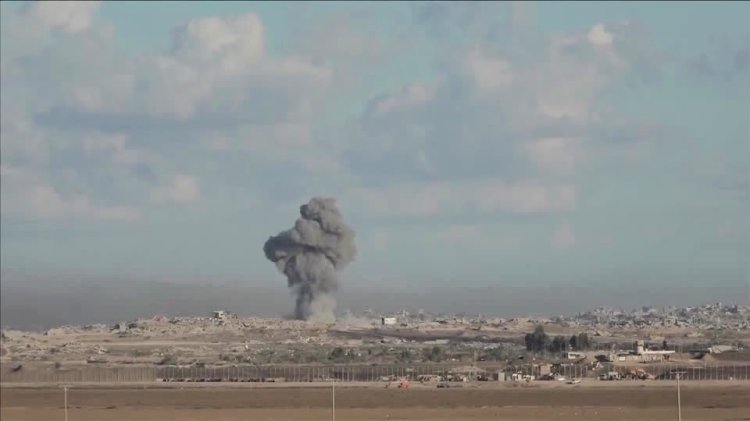
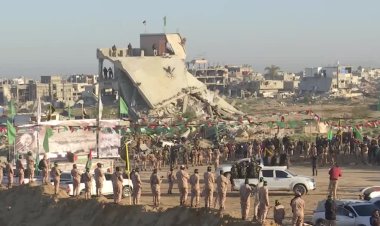
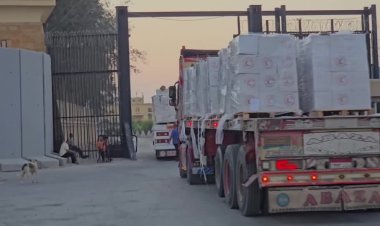
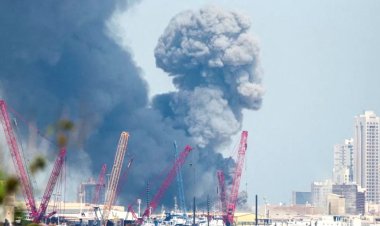
Explosions and large plumes of smoke were reported across Gaza as indirect talks between Israeli and Hamas delegations opened in Egypt to discuss a U.S. proposal aimed at halting the war, securing hostage releases and expanding aid access. Both sides have expressed support for the plan’s overarching framework—ceasefire, phased release of hostages and increased humanitarian assistance—but remain sharply divided on key implementation issues, including Israeli demands for security guarantees and Hamas’s expected disarmament and withdrawals. U.S. mediators have pressed Israel to pause offensive operations to create space for negotiations; Gazans reported a substantial scaling back of strikes though not a complete cessation, and the security situation remained volatile with intermittent blasts and exchanges noted.
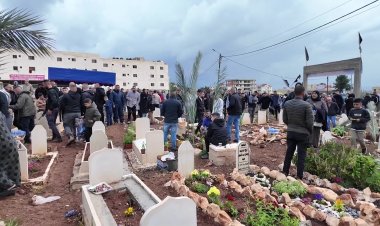
The talks coincided with solemn commemorations marking the anniversary of the attack that ignited the conflict, drawing attention to lingering wounds, unresolved hostage cases and the deep domestic and international political fallout. Memorial services and local vigils were held in communities near the Gaza border that were severely impacted during the original assault, including Kfar Aza, Be’eri and Nir Oz. In Kfar Aza, a ceremony recalled the surprise breach of border defenses and the mass abductions that followed; Israeli accounts place the death toll from the initial incursion at about 1,200 people, mostly civilians, and note that dozens of hostages remain in Gaza—figures that continue to fuel pressure on negotiators to secure releases.
The human cost of the ongoing war remains staggering. Palestinian health authorities report more than 67,000 fatalities in Gaza since the fighting began, while Israel has also suffered thousands of military and civilian casualties. These losses have intensified domestic fractures in Israel, where bereaved families and critics of government policy have used the anniversary to demand swifter progress on hostage recoveries and to challenge the leadership’s broader war strategy. Public sentiment is sharply divided: for many Israelis the date symbolizes national trauma and unresolved grief; for others it has become a rallying point for political protest.
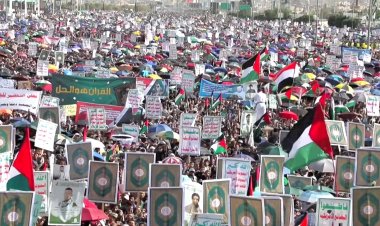
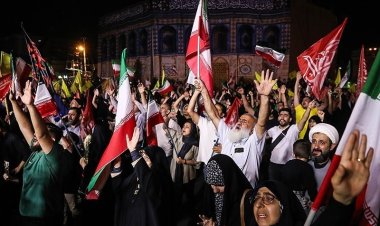
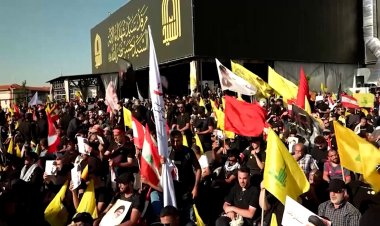
Internationally, the anniversary prompted coordinated protests, solidarity rallies and calls from humanitarian groups for an immediate ceasefire and unimpeded delivery of aid to Gaza.
As negotiations proceed under intense scrutiny, the anniversary served as a reminder of the conflict’s entrenched grievances and the formidable challenges ahead: reconciling competing demands, alleviating a humanitarian emergency, and finding a durable political pathway that addresses security, accountability and the prospects for eventual reconciliation.