Deported Salvadoran journalist reunites with sons
Mario Guevara’s case sparks debate on press freedom and U.S. immigration policy
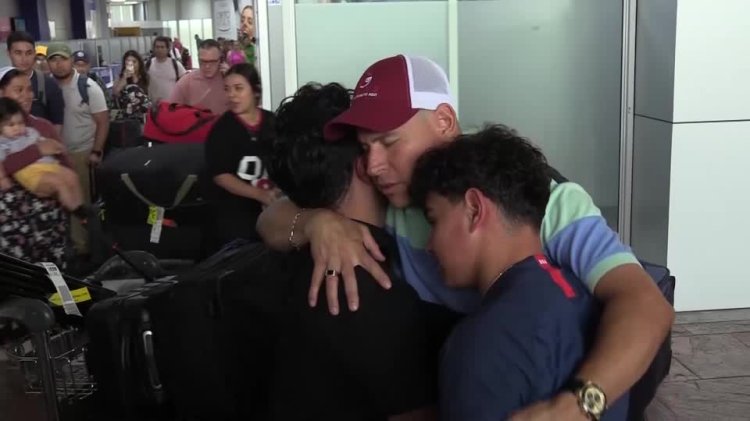
A Salvadoran journalist deported from the United States reunited with his two sons at El Salvador’s Monsenor Romero International Airport after months of enforced separation, in an emotional homecoming that has renewed debate over immigration enforcement and press freedoms.
Mario Guevara, who spent more than 100 days in federal custody before being flown back to El Salvador, was met by relatives and embraced by his sons Oscar, 21, and Jonnatan, 14. It was the first time the family had been together in person since his removal. Oscar said the family longed to be reunited permanently but were “glad that he's alive in the first place,” underscoring relief mixed with ongoing uncertainty about their future.
Guevara, a veteran Salvadoran reporter who had lived and worked in the United States for over two decades, rose to prominence for his live coverage of U.S. immigration raids and protests. He was arrested in June while livestreaming a protest in the Atlanta area, an incident that precipitated the revocation of his work permit and, ultimately, his deportation after immigration authorities rejected his applications and challenges. Although criminal charges connected to the initial detention were dropped, immigration officials cited procedural and paperwork issues in upholding the removal order.
On returning to San Salvador, Guevara said he intends to continue his journalism from El Salvador, aiming to report on issues that include migration and state actions despite being displaced from the community he covered for years. His case has drawn sustained criticism from press‑freedom advocates and civil‑liberties organizations such as the Committee to Protect Journalists and the ACLU. These groups argue the detention and removal of a journalist who was live‑streaming a protest sends a chilling message to reporters, particularly those covering demonstrations, immigration enforcement or state authorities, and could set a dangerous precedent that discourages watchdog reporting.
Supporters in Atlanta organized emotional vigils and online campaigns under hashtags calling for Guevara’s return and for scrutiny of the actions taken against him. Legal observers note there may be limited avenues to contest the deportation order, but any remaining options appear uncertain and likely protracted. Meanwhile, Guevara’s family circumstances have intensified concern: he has two U.S. citizen children in Atlanta, including one who requires special care, and he had filed for a green card through family sponsorship prior to his removal.