Federal aid awaits Potomac request
States must seek Stafford Act help after massive sewage spill into river
Federal agencies stand ready to assist with the Potomac River contamination after a major sewer pipe collapse in the Washington region, but officials from Maryland, Virginia or Washington, D.C. must formally request federal aid under the Stafford Act for a federal response to proceed, the White House said.
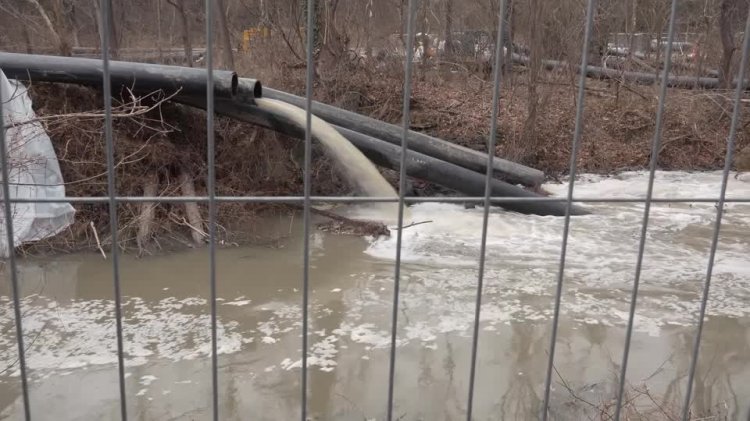
The collapse of a Montgomery County sewer line on January 19 released more than 240 million gallons of wastewater into the Potomac, an event the University of Maryland has called among the largest sewage spills in U.S. history. Researchers detected elevated levels of fecal‑related bacteria and other pathogens, prompting public‑health concerns and highlighting risks from aging infrastructure. Local authorities, including DC Water and Maryland state officials, have led containment and repair efforts; DC Water says drinking water remains safe.
The president announced direction for federal authorities to “provide all necessary management, direction and coordination” to protect the Potomac and the capital region’s water supply, and said FEMA will coordinate the response. Maryland’s governor criticized the administration for insufficient engagement, noting the Potomac Interceptor sewer line is federally owned and that the EPA did not brief state lawmakers at a recent hearing. The EPA said it deferred that briefing because state and local entities have been leading response operations, but affirmed it will perform oversight, coordinate with DC Water and update Congress.
The federal response comes amid broader tensions over federal intervention in Democratic‑led jurisdictions; critics point to recent cuts in FEMA staffing and reductions in domestic climate regulations under the administration. Local officials and climate advocates have raised concerns about the adequacy and timeliness of federal involvement.
The White House notification leaves the next step to state or district authorities to request Stafford Act assistance; until such a request is made, federal deployment and resources beyond coordination remain contingent. Authorities continue containment, monitoring and repair work while public messaging emphasizes that drinking water remains unaffected despite environmental and health risks in the river itself.