

Gaza faces health crisis amid garbage buildup
Waste and sewage overwhelm camps, raising disease risks

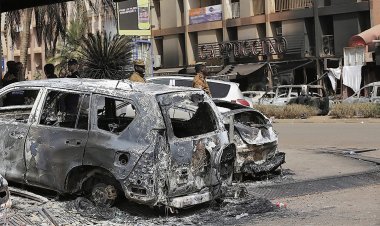
Stinking mounds of fly‑covered garbage and pools of raw sewage litter Gaza, compounding the humanitarian crisis caused by months of conflict and widespread displacement. In Khan Younis, families sheltering in tents live beside overflowing dumpsters; one father said his children wake coughing and suffer bacterial infections after sleeping amid foul odours and swarms of flies and mosquitoes. With municipal waste collection halted at the start of the war and only partial restoration of services since a truce, trash has piled up around makeshift camps, bombed-out neighbourhoods and former residential streets.
Doctors report rising cases of gastric illness, diarrhea, lice, scabies, rashes and skin infections such as impetigo as people are forced to use open latrines that flood when it rains and to collect contaminated water from ponds and puddles. A dermatologist at a field hospital described a surge in skin diseases linked to contaminated conditions; municipal officials warn pollution is seeping into groundwater reserves. Much of Gaza’s sewage and wastewater infrastructure was severely damaged by bombardment and ground operations, leaving broken networks and disabled treatment plants that prevent even minimal sanitation.
United Nations and development agency teams estimate about two million tonnes of untreated waste now lie across the enclave, while pre-war landfill sites were already full and three major dump locations near the border are inaccessible to Palestinians. The mix of decomposing refuse, hazardous war remnants from bomb sites and smoke from burning cloth and plastic is creating dangerous leachate, attracting rodents and insects and raising acute public‑health risks. Experts warn of possible outbreaks of diarrhoeal diseases, hepatitis A and other infections unless waste and sewage are addressed rapidly.
UN agencies and local authorities are developing plans that include debris clearance, the reopening of waste-collection services, rebuilding sewage systems and treating contaminated water and soil. They are also exploring technologies to convert waste to energy as a rapid-response option. But officials stress those measures require immediate access to heavy machinery, fuel, safe humanitarian corridors and security guarantees—resources that remain limited. Without them, the environmental collapse now threatens to deepen the humanitarian emergency.
For displaced Gazans, the visible wreckage of homes is matched by an invisible but pervasive threat: illness from contaminated surroundings that undermines survival and recovery.