Hamas and Fatah hold Cairo talks on Gaza’s future
Egypt pushes factions toward unity ahead of reconstruction conference
Delegations from Hamas and Fatah met in Cairo for Egyptian‑brokered talks aimed at arranging Gaza’s post‑war phase and laying groundwork for reconstruction and governance, officials said. Hamas was represented by senior leader and chief negotiator Khalil al‑Hayya, while Fatah’s delegation was led by Palestinian Vice President Hussein al‑Sheikh and intelligence chief Majed Faraj. Egypt’s intelligence chief also held separate meetings with faction leaders, signaling Cairo’s push to forge Palestinian consensus on the next steps and to prepare for an international reconstruction conference it plans to host in the second half of November.
Discussions focused on how to manage Gaza’s political and administrative transition after the ceasefire, including coordination on reconstruction, border and security arrangements, and possible mechanisms for Palestinian Authority involvement alongside representatives from Hamas and other factions. Egyptian proposals reportedly favor a transitional, inclusive governing arrangement monitored by Arab partners and supported by international funding, though key points of contention remain: Hamas insists it will not disarm or accept external interference in internal Palestinian affairs, while Fatah argues any administration should operate under the Palestinian Authority and the Palestine Liberation Organization.
The talks form part of a broader diplomatic push—also involving the United States, Qatar and Türkiye—to stabilize Gaza following more than two years of conflict and a ceasefire that took effect earlier this month. Egypt has been active in convening meetings among Palestinian factions and international partners to coordinate humanitarian aid, reconstruction planning and security guarantees. Observers note that success will hinge on overcoming entrenched mistrust between Hamas and Fatah, clarifying the role of armed groups, securing donor commitments, and addressing uncertainties posed by Israeli control over crossings and borders.
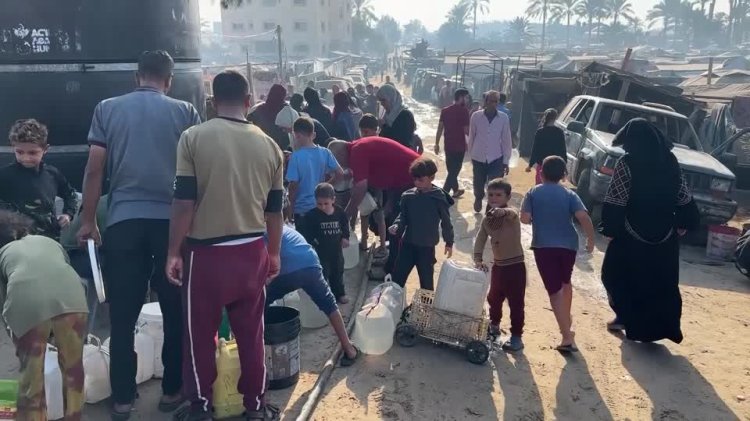
Meanwhile, Palestinian health authorities reported continuing casualties in Gaza since the ceasefire’s start, underscoring urgent humanitarian needs even as diplomatic efforts proceed. Investigations and negotiations are ongoing in Cairo as parties and regional mediators seek a unified roadmap for Gaza’s recovery that can attract international support and reduce the risk of renewed hostilities.