Hezbollah marks Nasrallah killing in Beirut
Supporters defy ban with vigils and tributes amid tensions
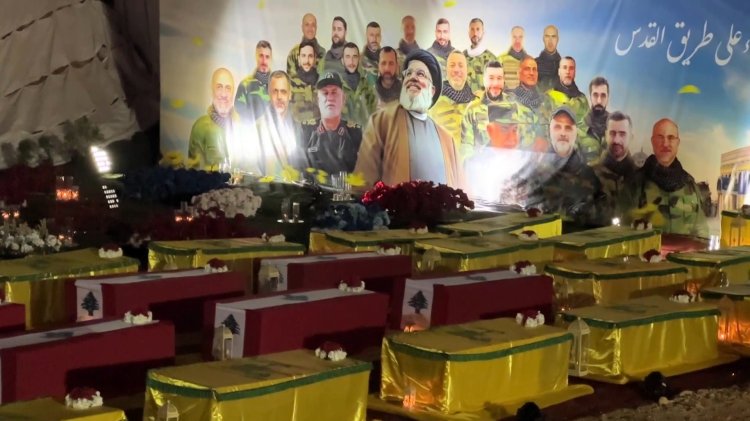
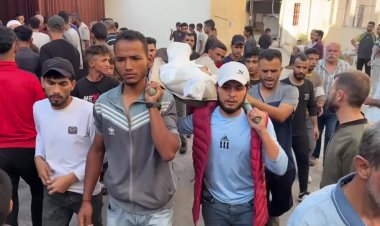
Hezbollah supporters staged large gatherings across Beirut to mark the first anniversary of the assassination of long‑time leader Hassan Nasrallah, converging on the blast site in Haret Hreik for a candlelit vigil that included symbolic coffins, portraits of Nasrallah and his slain successor Hashem Safieddine, and chants accusing Israel of responsibility. Organizers framed events as peaceful tributes; security forces monitored but largely kept distance. The turnout increased despite a government ban on public commemorations, and the group mounted additional memorial activities citywide, including projections of Nasrallah’s image onto Raouche rocks and multi‑day ceremonies coordinated by Hezbollah’s media arm.
Nasrallah, who led Hezbollah for 32 years and oversaw its growth into a regional force, and Safieddine were killed in powerful airstrikes attributed to Israel in late September 2024—a development seen by analysts as a major blow to Hezbollah and its backers and a turning point in the conflict. A truce between Lebanon and Israel took effect in November 2024, yet Israeli strikes on locations it identifies as Hezbollah positions in southern Lebanon have continued intermittently.
The commemorations serve multiple aims: signaling internal cohesion and resilience after leadership losses, reassuring supporters, and demonstrating public backing amid calls from the US and Saudi Arabia for Hezbollah’s disarmament. Observers note the group has adapted operationally by dispersing cadres, tightening security, repairing infrastructure and rebuilding supply lines while facing domestic pressures and international scrutiny.
Family statements ahead of the anniversary — including remarks by Jawad Nasrallah describing his father’s last days and alleging an Israeli intelligence breach preceding the killing — underscored the personal and organisational impact of the assassinations. Security analysts and regional officials are watching whether remembrance events will remain peaceful or spur further escalation, particularly given ongoing cross‑border strikes and persistent tensions in southern Lebanon.