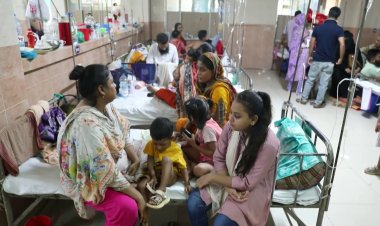
Argentina poverty dips but hardship remains
Nearly half still struggle as austerity deepens regional inequality
Argentina’s poverty rate eased from its 2024 peak but widespread hardship persists, with nearly half the population still struggling to meet basic needs. Officials say inflation has cooled and recent fiscal measures helped push overall poverty down from a mid‑2024 high of 52.9% to about 38.1% by late 2024, and further to roughly 31.6% in the first half of 2025 — the lowest level since 2018 — while extreme poverty fell to about 7%. The government credits lower inflation, income support programs and fiscal adjustment for the improvement.
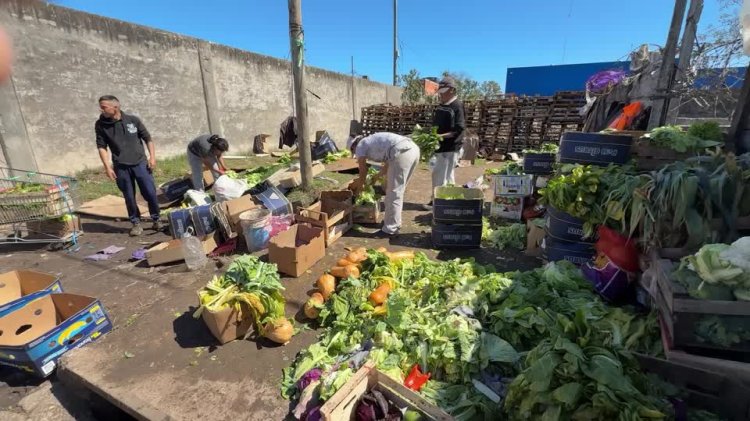
Critics argue the headline figures obscure deep and uneven suffering. President Javier Milei’s austerity program — including cuts to pensions, public jobs and subsidies — is blamed for slowing the economy and leaving many without work or sufficient income. Independent reporting and testimony from residents describe continued food insecurity, increased informal coping strategies and people searching markets for discarded produce or relying on secondhand goods.
Children remain the group most affected: child poverty was reported near 51.9% in late 2024 and around 45.4% among those under 14 in some datasets, with extreme vulnerability to reduced public services, health coverage gaps, higher school‑dropout risk and food insecurity. Regional disparities are stark — northern provinces such as Salta and Catamarca report rising child poverty even as national averages improve — driven by weak infrastructure and large informal labor sectors.
Voices from affected communities underline the everyday reality behind the statistics. An unemployed construction worker described widespread hunger and homelessness, while residents in the Buenos Aires periphery said families skip meals and rely on mate to stave off hunger. Analysts warn the recent gains could be fragile without strengthened social safety nets, targeted protections for children and measures to address geographic inequality. The national statistics agency is set to publish updated early‑2025 poverty figures this week, which will provide a clearer picture of whether improvements are sustained across regions and age groups.