Hezbollah urges Saudi to unite against Israel
Qassem calls for dialogue and freezing disputes as Israeli strikes escalate
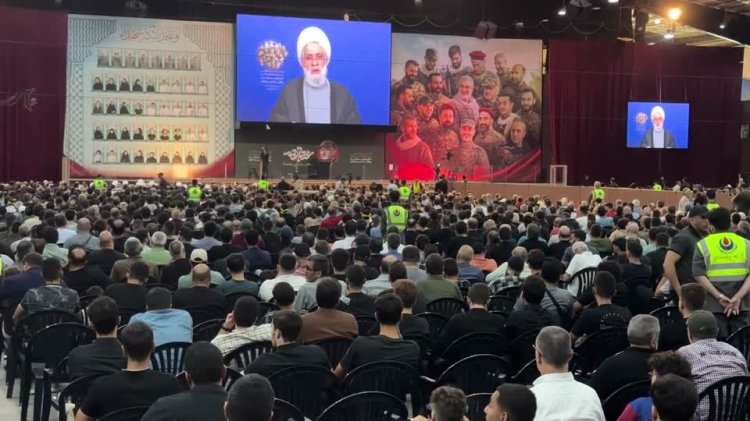
Hezbollah’s deputy leader Naim Qassem called on Saudi Arabia to open a “new page” with the Lebanese armed group and to unite against Israel. Speaking on Al‑Manar, Qassem outlined three conditions for a Saudi‑Hezbollah rapprochement: dialogue to settle disputes, recognition that Israel—not “the resistance”—is the region’s enemy, and a “freezing of past disagreements.” He stressed that Hezbollah’s weapons are aimed solely at Israel and that pressure on the group only benefits Israeli interests; eliminating the resistance, he warned, would shift the burden to other states.
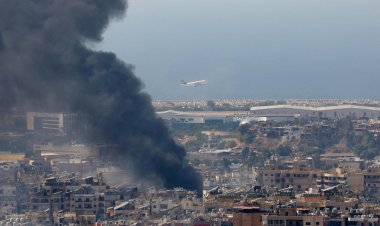
The appeal comes amid a surge of Israeli strikes in southern Lebanon, which have killed two civilians and wounded eleven. Israel said it targeted a Hezbollah commander, a member of the elite Radwan force, and a vessel used for intelligence gathering. Lebanese Prime Minister Nawaf Salam condemned the attacks as intimidation that violates the 2024 cease‑fire, which obliges Hezbollah to disarm and move north of the Litani River while Israel withdraws from Lebanese territory. Despite the agreement, Israel continues daily bombardments, maintaining a presence at several points in the south.
Qassem framed Hezbollah’s arsenal as a defensive guarantee for Lebanese sovereignty, rejecting disarmament as serving only Israel’s agenda. He described Israel as a colonial outpost first backed by Britain and now by the United States, accusing it of barbaric crimes and “genocide” after the September 9 strike on Qatar. He argued that soft war, sanctions, and the Abraham Accords have failed to achieve a quick victory for the U.S. and Israel, prompting harsher measures.
The call for Saudi‑Hezbollah cooperation reflects broader regional tensions. Saudi Arabia labeled Hezbollah a terrorist organization in 2016 for its roles in Syria and Yemen. Riyadh recently signed a mutual‑defence pact with nuclear‑armed Pakistan, a move linked to the Israeli attack on Qatar. Analysts note that Saudi officials have been cautious, balancing criticism of Hezbollah with ongoing normalization talks involving Israel.
Qassem’s overture seeks to reduce Arab hostility toward Hezbollah, arguing that Saudi antagonism strengthens Israel’s hand. He urged Saudi Arabia to recognize Israel as the primary enemy and to consider joint efforts defending Palestinians. While the Saudi response remains pending, the timing underscores Hezbollah’s intent to project political relevance and to shift regional focus back onto the Israeli‑Palestinian conflict amid escalating military confrontations along Lebanon’s southern border.