Holiday spending surges across China
AI stores and immersive attractions drive retail boom
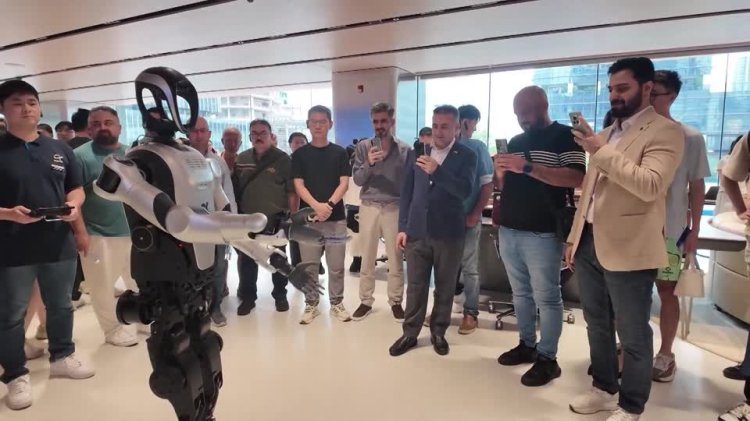
Consumer spending surged during China’s National Day holiday as new product launches and immersive experiences drew large crowds and boosted retail activity nationwide. Flagship AI stores, appliance launch centers and robot-led attractions became focal points in major cities: Shenzhen’s new AI flagship showcased over 200 AI-powered devices with interactive zones and markedly higher dwell time; Nanchang opened a “Home Appliance and 3C Launch Center” displaying debut products including a 163-inch TV and AR glasses; Zigong’s International Dinosaur Festival introduced intelligent robotic dinosaurs, and Shanghai’s first robot theater offered fully immersive shows.
Retail foot traffic and product interest rose sharply: nationwide store visits increased by 41% during the holiday’s first four days and pre-orders for new products jumped 87%, with Jiangsu, Shanghai and Beijing leading the surge. Individual venues reported dramatic spikes—Shenzhen’s AI store said visitor numbers were four to five times normal and dwell times tripled, while Suning’s Nanchang center reported daily foot traffic exceeding 50,000 and brisk sales of headline items.
Technology platforms amplified the trend through AI-driven recommendations and new features: Alibaba’s Amap saw daily active users top 360 million, aided by a “Street Stars” feature offering local rankings and ride/in-store coupon subsidies. The rail network recorded 23.13 million trips on the holiday’s opening day, underlining strong travel flows. Smaller cities and rural counties also benefited as travelers sought less crowded destinations, driving gains in lodging and cultural tourism.
Local governments supported consumption with incentives such as dining vouchers, entertainment subsidies and appliance trade-in programs, further stimulating demand. Analysts note the emphasis on novel, experiential offerings—rather than deep price cuts—signals a shift in China’s consumption model toward spending on culture, leisure and interactive products, suggesting longer-term changes in how retailers and cities attract consumers.