HSBC to fully acquire Hang Seng Bank
$13.6 billion offer aims to strengthen its Hong Kong base
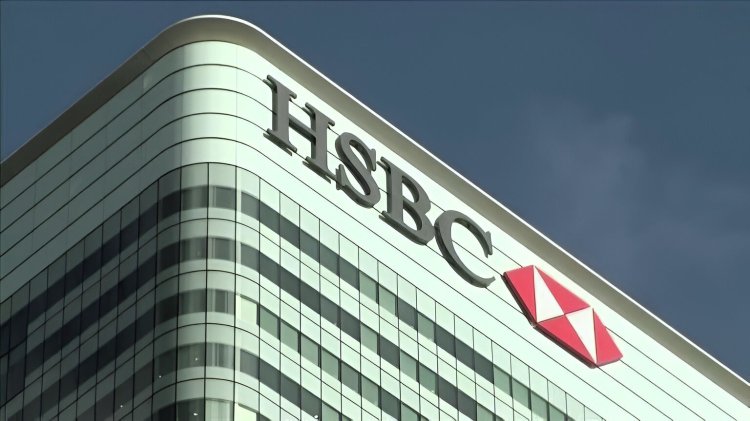
HSBC announced plans to take full ownership of Hong Kong’s Hang Seng Bank with an all-cash offer valuing the remaining 36.5% stake at HK$106.1 billion (about US$13.6 billion), implying a total Hang Seng valuation near HK$290 billion (roughly US$37 billion). The proposed price of HK$155 per share represents about a 30% premium to Hang Seng’s previous close. HSBC said the Hang Seng brand, governance structure and branch network would be retained after privatization.
Markets reacted sharply: Hang Seng shares surged—peaking with gains in the high double digits—before easing, while HSBC’s shares fell about 6–7% in Hong Kong and London amid investor concern over the deal’s capital impact. HSBC plans to pause its share buybacks for around three quarters to shore up the capital needed for the acquisition; the bank expects the transaction to reduce its common equity Tier 1 ratio by about 125 basis points.
The move follows criticism of Hang Seng’s performance and heightened exposure to weak property markets in Hong Kong and mainland China. Hang Seng has reported rising impaired loans, with nonperforming loans becoming a growing concern in its portfolio. HSBC has previously tightened risk management at the subsidiary, and CEO Georges Elhedery framed the privatization as a strategic reaffirmation of confidence in Hong Kong’s financial hub rather than a bailout. He said the lenders had been transparent about Hang Seng’s real estate exposure.
Privatization requires approval from minority shareholders and a Hong Kong court meeting; if successful, Hang Seng would be delisted and become a wholly owned HSBC unit. The transaction marks a shift from HSBC’s recent pattern of selling or winding down businesses in Europe, North America and parts of Asia Pacific under its restructuring strategy, signaling instead a consolidation of its presence in Hong Kong. Observers note the deal balances a desire to simplify group structure with the short-term capital costs and risks associated with absorbing a troubled retail bank.