U.S., Israel, Lebanon to start talks
Marco Rubio hosts meeting launching direct negotiations
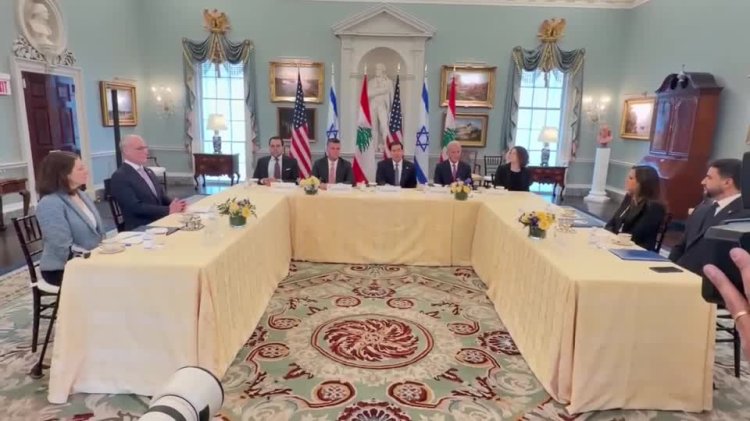
The United States, Israel and Lebanon agreed to launch direct negotiations after a trilateral meeting at the State Department hosted by Secretary of State Marco Rubio, officials said. Lebanese Ambassador Nada Hamadeh and Israeli Ambassador Yechiel Leiter took part in what U.S. spokespeople described as “productive discussions,” culminating in a joint commitment to begin talks at a mutually agreed time and venue. The U.S. expressed hope the negotiations could go beyond the scope of the 2024 agreement toward a comprehensive peace arrangement.
Israel signalled support for disarming non‑state armed groups and dismantling militant infrastructure in Lebanon, committing to pursue those goals through direct negotiations intended to enhance security for civilians on both sides. Lebanon stressed the urgent need for full implementation of the November 2024 deal, emphasized its territorial integrity and sovereignty, and called for a ceasefire alongside “concrete measures” to address a deepening humanitarian crisis.
The meeting took place amid continuing hostilities on the Israel‑Lebanon border, with Israeli strikes in southern Lebanon and reports of cross‑border gunfire and military helicopters nearby. Israel has repeatedly ruled out discussing a ceasefire and insists Lebanon must address Hezbollah’s military presence; Iran has said Israeli actions against Hezbollah must factor into any broader settlement, complicating parallel mediation efforts by Pakistan and others.
U.S. officials framed the gathering as the start of a process rather than a one‑day event, urging patience as negotiations unfold. No immediate breakthroughs were announced, but participants described the talks as a cautious and constructive opening that could pave the way for further sessions if both sides remain engaged. Analysts noted the rarity of direct Israel‑Lebanon dialogue—absent formal diplomatic ties—and warned that translating talks into durable de‑escalation will require mechanisms to manage frontline incidents, credible steps to reduce militia influence, and parallel progress on humanitarian and political demands raised by Lebanon.