Strait of Hormuz tensions disrupt shipping
Vessel traffic plunges as Iran warns ships amid regional strikes
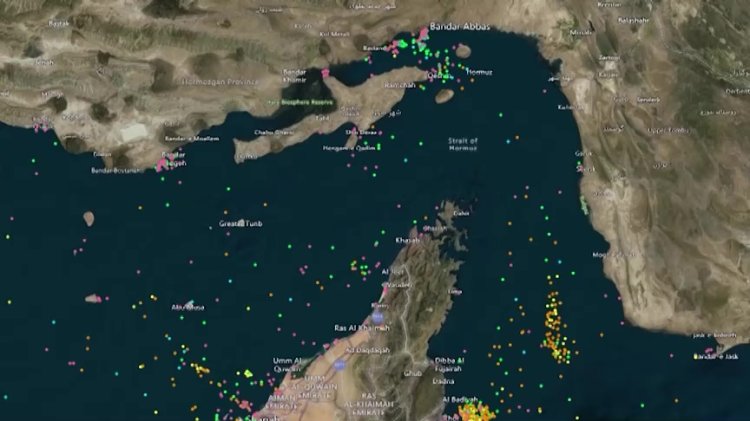
The Strait of Hormuz has effectively become a flashpoint after U.S. and Israeli strikes on Iran prompted Tehran to issue warnings and carry out strikes that have disrupted navigation through the strategic waterway. Iran’s Revolutionary Guards said they control the strait and warned ships not to transit, while maritime authorities and industry groups reported VHF messages and missile or drone activity that have made passage too dangerous for many operators. Ship-tracking data and shipping sources show tanker and vessel traffic plummeted as owners and insurers paused movements; dozens to hundreds of vessels anchored outside the Persian Gulf or diverted to ports such as Fujairah.
The strait, which narrows to about 21 miles between Iran and Oman with shipping lanes only a few miles wide, handles roughly a fifth of the world’s seaborne oil trade—more than 20 million barrels a day by some estimates—making any disruption immediately significant for global energy markets. Oil prices jumped as concerns mounted: benchmarks rose sharply amid reports of attacks on tankers and energy facilities, and major producers including Iraq reported production stoppages as exports were halted or delayed.
Navies and shipping bodies urged caution; the British Navy said Iran’s orders were not legally binding but advised vessels to be careful, and the U.S. signalled it could escort tankers if necessary. Insurers began withdrawing war-risk cover for the area, driving up freight and insurance costs and prompting major carriers and oil firms to suspend transits. Some companies rerouted via the Cape of Good Hope, lengthening voyages and adding costs.
Governments dependent on Persian Gulf energy supplies monitored the situation closely while urging de-escalation. The U.S. and partners face political and logistical pressures as higher energy prices and supply disruptions risk wider economic fallout. The practical closure of the Hormuz corridor has underscored the choke point’s global importance and the rapid way regional conflict can ripple through trade and markets; the outlook remains uncertain as military actions, commercial suspensions and diplomatic moves continue to evolve.