


Iran, Oman finalize Hormuz framework
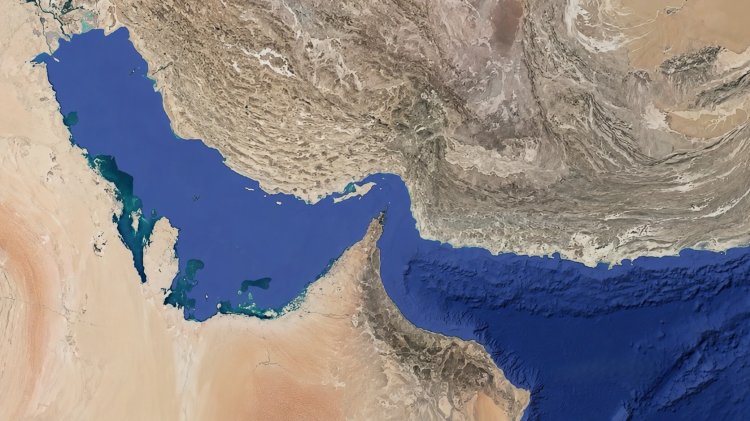
Iran and Oman have finalized a general framework for managing commercial shipping through the Strait of Hormuz, according to Iranian officials and media reports. The arrangement is still awaiting final details, but both sides are said to have agreed on the basic outline of how vessels would move through the strategic waterway. Iranian negotiators are also waiting for approval from Tehran’s top security council before a formal announcement.
The talks come after weeks of rising tension in the Persian Gulf, where Iran tightened its control over the strait and restricted safe passage for ships linked to Israel and the United States. That move followed joint strikes on Iranian territory, and the U.S. military later carried out additional attacks on Iranian targets, saying it was responding to threats against commercial shipping. Iran then hit back with missile and drone strikes on U.S. bases and facilities in the region.
According to the report, the emerging deal could restore commercial traffic without disruptions, while also leading Washington to lift its blockade of Iranian ports. Iranian officials say the route would be coordinated with Oman and based on agreed geographic points, with the goal of preventing incidents and keeping shipping secure. Tehran has stressed that any navigation plan must respect the sovereignty of countries bordering the strait.
The agreement is unfolding as both sides weigh major risks. Iran believes pressure on the U.S. could force concessions, especially as the cost of the conflict affects global energy markets and domestic politics in Washington. But Iran also faces economic strain, military losses, and the possibility of renewed unrest at home. The Strait of Hormuz remains one of the world’s most important trade routes, and any deal there could reshape regional shipping security.