

Iran signals shift toward offense

Iranian officials are presenting a tougher military and political posture, saying the country may move from defense to offense if its demands are ignored. Mohammad Mokhber, an adviser to the supreme leader said that such a shift would reshape global power balances, linking the warning to developments in the Strait of Hormuz and what he described as the United States’ failure to protect its allies in the Persian Gulf.
The adviser said Iran’s response will depend on whether its conditions are met. Those conditions include an end to threats against Iran, an end to insults against its religious and national values, a permanent stop to the war and aggression against Iran and its allies in Lebanon, Palestine, Yemen, and Iraq, and the withdrawal of US naval and air forces from around Iran. He also called for compensation for damages from past attacks, the lifting of sanctions, and the unconditional release of frozen Iranian assets.
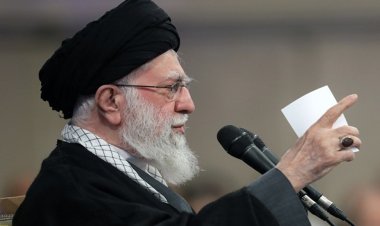
His comments followed earlier statements from Iran’s supreme leader saying the country was entering a new phase in its approach to the Persian Gulf and the Strait of Hormuz. He said Iran would secure the waterway and end abuses there, arguing that a new management system would bring comfort, progress, and economic benefits for regional nations.
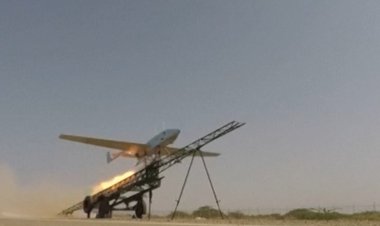
At the same time, a senior Iranian commander said the country’s military doctrine has already shifted from a defensive stance to an offensive one, as the armed forces adopt more advanced weapons and new tactics in reprisals against US and Israeli interests. The adviser argued that the United States’ inability to defend Persian Gulf partners makes a regional security framework independent of Washington the most sustainable option.