

Iranian Rial Hits Record Low Amid Conflict
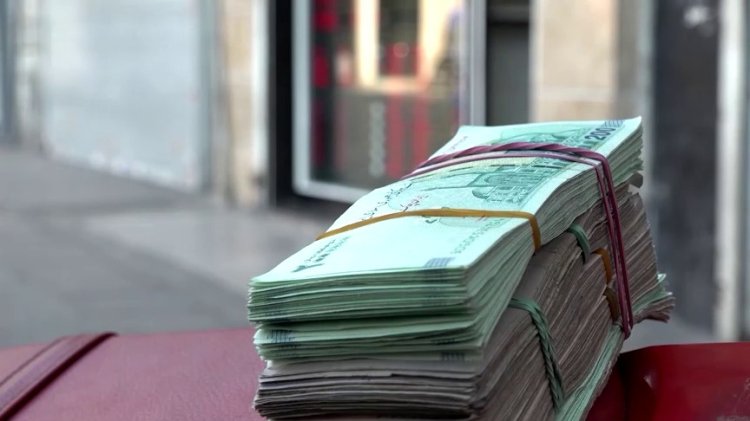
The Iranian rial has plummeted to an unprecedented low against major international currencies, as the US-Iran conflict approaches its sixth month. The record depreciation of the rial underscores the severe impact of geopolitical strife on Iran's economy. Such a dramatic fall in value typically leads to rampant inflation, diminishing purchasing power for Iranians, and increased costs for imports. Local reports highlight growing concerns among the populace regarding financial stability. The US-Iran conflict, though often characterized by diplomatic standoffs, has a pronounced economic dimension. Sanctions imposed by the United States have severely restricted Iran's ability to export oil, its primary source of foreign revenue, and have largely isolated its banking sector from the global financial system. These measures are designed to exert maximum pressure on the Iranian regime, aiming to compel changes in its regional policies. Access to essential goods, reliant on imports, becomes increasingly expensive, creating hardships. The government faces immense pressure to stabilize the economy, but options appear limited. Experts suggest that without a significant de-escalation of tensions or a breakthrough in diplomatic efforts, the rial is likely to remain under severe pressure. The six-month mark of the US-Iran conflict serves as a stark reminder of the prolonged nature of this standoff and its profound implications for Iran's economy and people. The current economic trajectory in Iran presents a complex challenge, with no easy solutions on the horizon.