

Shell profit jumps on energy turmoil
Higher earnings beat forecasts despite supply disruptions

Shell reported first-quarter adjusted profit of $6.92 billion, its highest in two years and ahead of analyst expectations, driven in part by gains linked to the Middle East conflict. The company raised its dividend by 5% but trimmed its quarterly share buyback programme to $3 billion from $3.5 billion, citing a short-term liquidity squeeze after war-related energy supply disruptions increased its debt levels. Shell’s gearing ratio rose to 23.2% from 20.7% at end‑2025 as the group moved to shore up its balance sheet.
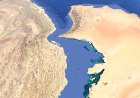
Output from Shell’s oil and gas operations fell about 4% quarter‑on‑quarter, mainly because of outages in Qatar after part of the Pearl gas‑to‑liquids plant was damaged in the regional conflict; the company said repairs could take roughly a year. Trading and integrated gas businesses remained key contributors to earnings, benefiting from market volatility and sustained demand for liquefied natural gas in Europe and Asia. Refining and chemicals added to results, though margins varied by region and feedstock costs.
Markets reacted with Shell shares down over 3% in early trading, mirroring declines across other majors as oil prices retreated from recent peaks above $100 a barrel. Analysts noted Shell’s results reflect the wider pattern among European oil giants, which generated large trading profits amid market swings. Management emphasized continued disciplined spending while balancing capital returns and investment in lower‑carbon projects.
The group said the dividend increase signals confidence in cash flow despite a challenging backdrop and affirmed its commitment to returning capital to shareholders alongside maintaining financial resilience. Shell cautioned that ongoing geopolitical risks and supply disruptions could continue to affect production and market volatility, underlining the need for a cautious approach to buybacks and stronger balance‑sheet buffers while navigating a complex energy transition.