China’s social financing hits 434 trillion yuan
Credit growth slows as property woes curb demand
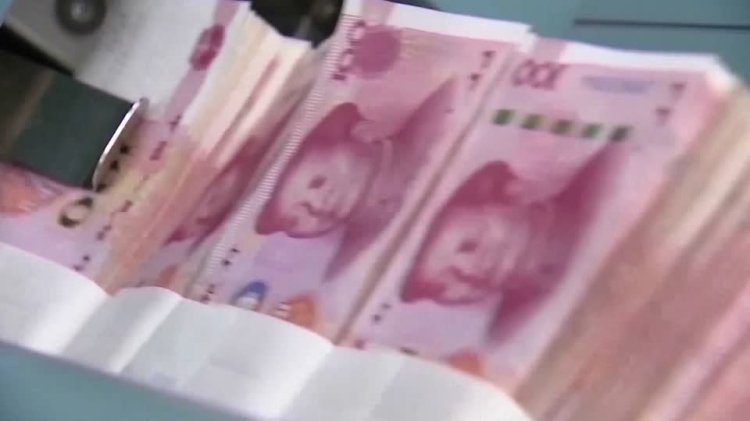
China's total social financing stock reached 433.66 trillion yuan (approximately 60.92 trillion U.S. dollars) by the end of August, marking an 8.8 percent year-on-year increase, according to the People's Bank of China (PBOC). This growth reflects ongoing financial support for the real economy, bolstered by coordinated fiscal and monetary policies.
Outstanding yuan loans to the real economy amounted to 265.42 trillion yuan, a 6.6 percent increase from the previous year, representing 61.2 percent of the total social financing stock. In the first eight months, social financing rose by 26.56 trillion yuan, exceeding the previous year's figures by 4.66 trillion yuan.
The broad money supply (M2) increased by 8.8 percent to 331.98 trillion yuan, while M1 rose 6 percent to 111.23 trillion yuan. Cash in circulation (M0) saw an 11.7 percent increase, reaching 13.34 trillion yuan. Economist Wen Bin noted that proactive fiscal policies and accommodative monetary measures have effectively boosted financing, with a narrowing gap between M1 and M2 indicating enhanced consumption and investment.
Despite these positive indicators, new bank lending in August totaled around 590 billion yuan, rebounding from a contraction in July but falling short of market expectations. This weaker-than-expected lending reflects subdued credit demand, particularly from private companies and households, amid ongoing challenges in the property sector and low business confidence.
Outstanding yuan-denominated loans grew by 6.8 percent year-on-year, one of the slowest rates in recent years, while overall financing growth also decelerated. The property downturn continues to hinder borrowing and investment, as developers reduce projects and homebuyers hesitate to take on new mortgages. Additionally, industrial overcapacity and trade pressures are dampening business sentiment.
Chinese policymakers have implemented measures to support credit growth, such as easing lending conditions and providing subsidies, but these efforts are taking time to impact the real economy. The data underscores the challenges facing Beijing in stimulating demand without exacerbating financial risks associated with rising debt. Economists anticipate that the government may introduce further targeted measures to enhance lending, encourage investment, and stabilize the property market in the coming months.