Iraq votes in low-turnout parliamentary election
Disillusioned citizens cast ballots as Sudani seeks new term
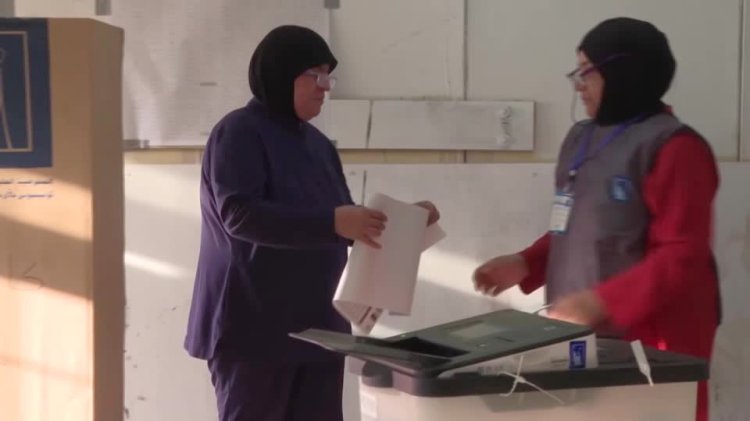
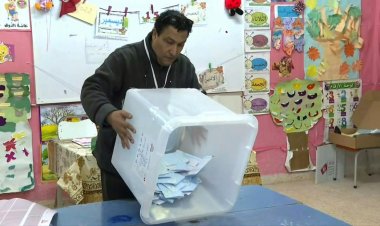
Iraqis cast ballots in parliamentary elections to choose a 329‑seat legislature, with polling set to close at 18:00 local time. Prime Minister Mohammed Shia al‑Sudani is seeking a second term amid widespread public disillusionment, as many citizens view elections as a mechanism for entrenched parties to divide the country’s oil revenue while failing to deliver better services, jobs or an end to corruption. Turnout is expected to be low, reflecting scepticism that the vote will bring meaningful change.
The ballot features a surge of young candidates who seek to challenge long‑standing patronage networks, but analysts warn their prospects are uncertain against parties supported by armed loyalists and deep clientelist ties. Early voting was held for security forces and displaced populations, including Yazidis in camps, highlighting logistical and security hurdles that accompany nationwide voting for roughly 21 million registered electors.
Preliminary results are anticipated within 24 hours of poll closure, though official confirmation will follow a period for reviewing appeals and complaints; political observers caution that forming a new government could still take months of negotiations. The incoming parliament will elect the president and shape the coalition that will form the next government at a sensitive moment for Iraq’s domestic and foreign policy.
The next government faces the dual challenge of balancing U.S. and Iranian influence while addressing the power of dozens of armed groups that owe greater loyalty to their own commanders or to Tehran than to Baghdad. Washington is pressing for measures to curb militia autonomy, but those forces remain deeply embedded in local politics and security arrangements, complicating any centralised effort to rein them in.
Regional capitals, including Türkiye, are closely watching the vote for its potential impact on security and diplomatic relations across the Middle East. Iraqi authorities and security forces are deployed nationwide to oversee the process and maintain order, with officials stressing strict adherence to the electoral timetable and procedures.
Beyond immediate results and coalition arithmetic, the longer‑term significance of the election will depend on whether newly elected representatives can address the systemic failures that have fuelled public anger: endemic corruption, weak institutions, poor public services and high youth unemployment. Low civilian participation would risk further eroding confidence in a political system critics say benefits a narrow elite while neglecting ordinary Iraqis.