Mali schools reopen after fuel blockade
Students return as authorities restore supplies amid insurgent threat
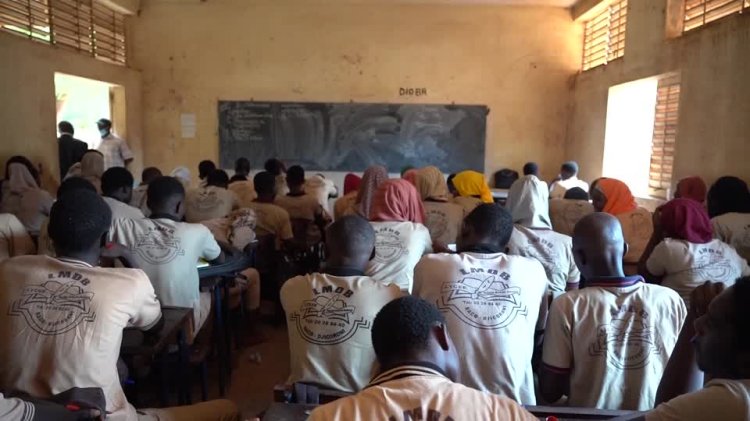
Students returned to classrooms in Bamako and several other Malian cities after a two-week shutdown prompted by a nationwide fuel shortage tied to an insurgent blockade. The government had temporarily closed schools as emergency measures when tankers were attacked and imports blocked, leaving public transport paralysed and preventing many teachers and pupils from reaching schools.
In Bamako, pupils queued to register and copy revised timetables as lessons resumed. School supervisors reported good attendance in urban centres, though teachers warned the interruption will make it harder to complete the academic programme within an already tight nine-month year. “We even started a bit late. With this interruption again, it will put us even further behind. We will try to do our best to catch up. But it won't be easy,” a math teacher said. Parents expressed relief at the restart but remained anxious about possible renewed shortages, saying education must continue.
The shortages follow a campaign by JNIM, the Al‑Qaeda-linked Group for the Support of Islam and Muslims, which since September has targeted fuel convoys arriving mainly from Senegal and Côte d’Ivoire. By attacking tankers and blocking imports, the group has choked key supply routes used by the landlocked country, deepening an economic and logistical crisis that has complicated the ruling junta’s efforts to govern.
The education ministry announced the reopening after recent deliveries allowed several fuel convoys to reach the capital and some other blockaded areas, easing pressure on households and authorities. Yet supply remains uneven: while schools in Bamako and some cities reopened, many rural areas still lacked teachers because there was no fuel to travel to remote posts. In Dioila, 160 kilometres east of the capital, classes resumed only in the town itself, with surrounding villages remaining without schooling. In Ségou, some schools reopened despite limited electricity and continuing logistical difficulties.
The blockade has intensified an already fraught security environment in Mali, where attacks by armed groups and criminal gangs have persisted since 2012. The ruling junta, which took power in back-to-back coups in 2020 and 2021, continues to struggle to contain insurgent networks and maintain state services. Regional and international bodies have urged a coordinated response to restore supply chains and reinforce security, warning that without a durable solution the fuel crisis will keep disrupting education and other essential services.