Israeli Arab towns strike over crime surge
Protesters accuse police of failing to stop violence
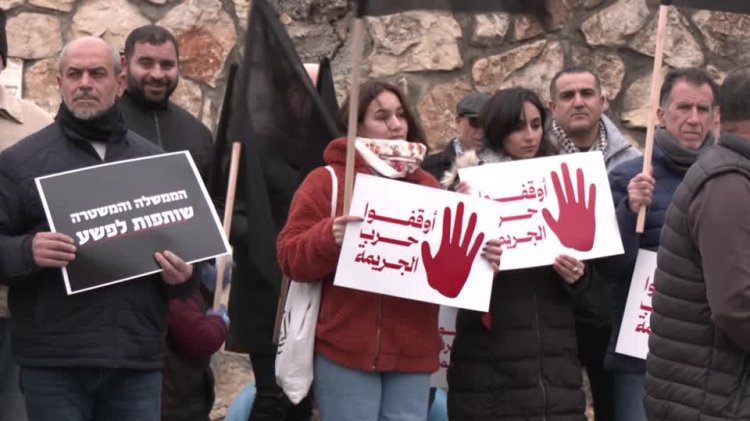
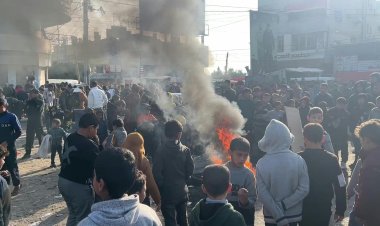
Thousands of people protested in Sakhnin and other Arab‑Israeli towns, accusing police of failing to curb a sharp rise in violent crime and declaring a nationwide general strike to press demands for better protection. Community leaders say the surge has produced 20 deaths among Israeli Arab citizens so far this year and estimate annual homicides in Arab localities numbered between 230 and 250 from 2023–2025. Demonstrators—many carrying photos of victims—blocked roads and held rallies to denounce what they call chronic under‑policing, slow investigative follow‑up, and unequal enforcement compared with Jewish areas.
Speakers blamed the violence on widespread illegal weapons, entrenched criminal networks and social marginalization, citing high unemployment, poor housing, underfunded schools and limited services as drivers that require both tougher law‑enforcement measures and long‑term social investment. Arab political figures called for an emergency plan to crack down on arms trafficking, dismantle gangs and channel significant resources to Arab municipalities; unions and organizers warned that further strikes and protests will continue until concrete steps are taken. Police said they have increased operations in Arab areas, including arrests, raids and weapons seizures, and stressed improved intelligence efforts, but activists dismissed these as reactive and insufficient.
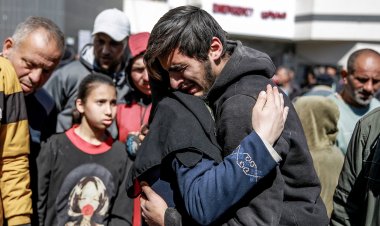
In a related regional development, Israeli air and drone strikes in the Gaza Strip killed at least 11 Palestinians on one of the deadliest days since the ceasefire, including children and journalists, according to Gaza health officials. The strikes, described by the military as targeting suspected militants and a drone operator, intensified concerns about the fragility of the truce. The fatalities came as the U.S. formally advanced an international initiative aimed at Gaza’s reconstruction and demilitarization—the so‑called Board of Peace—intended to marshal resources and governance support but facing skepticism given ongoing violence. The juxtaposition of deadly strikes and diplomatic efforts underscored persistent instability and humanitarian strain in the enclave.