Khamenei blames protests on foreign plots
Following an internet shutdown by Iranian authorities, telephone services have also become unreachable
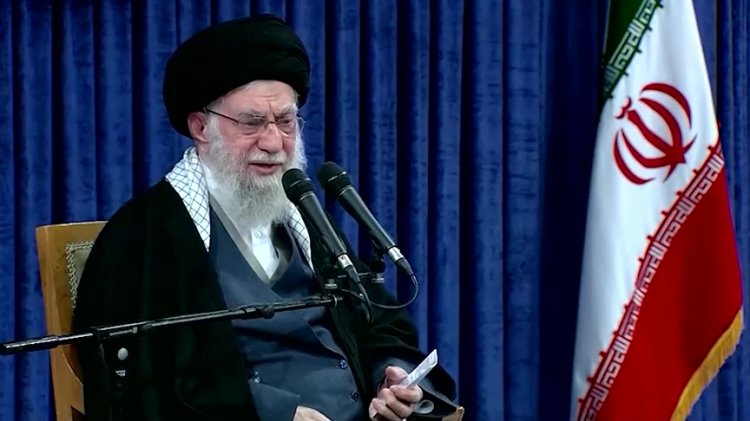
Iran's Supreme Leader Ayatollah Ali Khamenei accused protesters of acting on behalf of U.S. President Donald Trump, saying rioters were attacking public properties and warning that Tehran would not tolerate people acting as "mercenaries for foreigners".
Ayatollah Khamenei also pointed to the direct responsibility of Trump for killing hundreds of Iranians during the 12-day US-Israeli war of aggression against Iran in June 2025.
Supreme Leader Ayatollah Ali Khamenei vowed not to back down, accusing demonstrators of acting on behalf of opposition groups abroad and the United States.
Iran's fragmented external opposition factions called for more protests. Iran was largely cut off from the outside world after authorities blacked out the internet to curb expanding protests, with phone calls not reaching the country, flights cancelled and online Iranian news sites only intermittently updating.
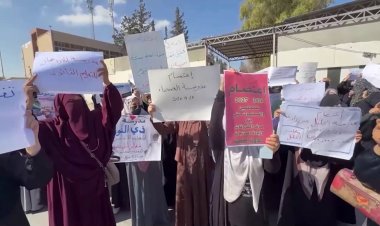
The protests that began over soaring inflation in the Islamic Republic late last month have spiralled into the biggest for three years, with unrest reported in every province and rights groups documenting dozens of deaths.
Iranian rights group HRANA said it had documented at least 62 deaths, including 14 security personnel and 48 protesters, since demonstrations began on December 28.
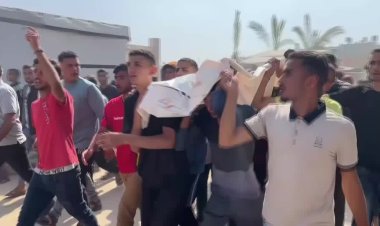
Witnesses in the capital and major cities of Mashhad and Isfahan said that protesters gathered in the streets, chanting slogans against the Islamic Republic's clerical rulers. Protesters tore an Iranian flag in half.
While the initial protests focused on the economy, with the rial losing half its value against the dollar last year and inflation topping 40% in December, they have morphed to include slogans aimed directly at the authorities.
The current protests, the biggest wave of dissent in three years, began last month in Tehran's Grand Bazaar by shopkeepers condemning the currency's free fall.
Faced with the unrest, Tehran rolled out a subsidy reform. According to the policy, Iranians will be given about $7 a month to purchase basic goods in select grocery stores.