

Olympic torch highlights Italy’s auto heritage
Relay crosses Emilia-Romagna with Maserati showcase and festive stops
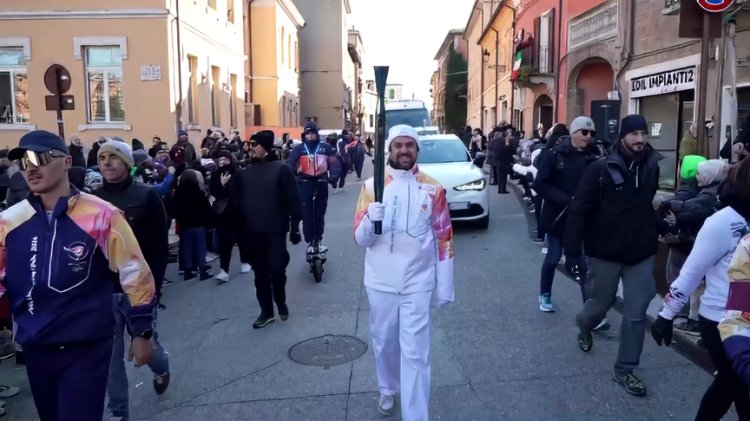
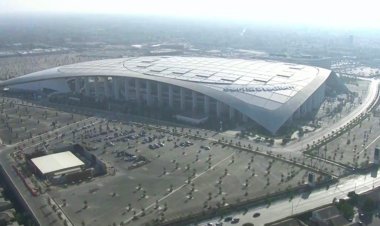
The Olympic torch relay advanced through Emilia-Romagna on stage 32, turning the spotlight on Italy’s automotive legacy with a route that began in Maranello, proceeded to Modena and the Maserati headquarters, and included stops in Sestola, Reggio Emilia and Parma, where a cauldron was lit amid festival crowds. The flame, which set out from Rome about a month earlier and has since visited Sardinia, Sicily, Naples and Bari, is traversing a 12,000-kilometre route that will conclude at Milan’s San Siro stadium on February 6, as the country builds momentum for Games hosted across Milan and Cortina d’Ampezzo.
A standout moment came when organisers placed the torch in a specially adapted holder aboard a Maserati convertible, offering spectators an unobstructed view as the vehicle paraded slowly through historic streets. The carborne segment was carefully managed: technicians continually monitored the flame, the convertible moved at low speed under police escort, and safety protocols were enforced to ensure the torch remained lit. After the automotive showcase, the flame was transferred back to athletes and community representatives, who resumed the relay on foot.
Organisers said the integration of a luxury automotive display was intended to celebrate Italian design, engineering and industrial heritage while preserving the symbolic continuity of the Olympic flame. Maserati framed the moment as a convergence of sport, performance and national pride, aligning the brand’s image of craftsmanship with Olympic values. The company’s participation also served as a promotional highlight, reinforcing Italy’s cultural and industrial identity to an international audience following the torch’s cross-country passage.
Large crowds gathered at ceremonial points to wave flags, take photographs and cheer the procession, contributing to a festive atmosphere that organisers described as central to the relay’s mission of engaging communities nationwide. The inclusion of vehicles and landmark venues reflects a growing trend in torch relays to pair traditional running segments with symbolic elements that underscore host-nation themes and local distinctiveness.
Officials emphasised that the relay’s mix of spectacle and tradition aimed to broaden public interest beyond sporting circles, turning each stage into a showcase of regional character. By combining runners, community figures and curated displays such as the Maserati convoy, the relay sought to create memorable tableau moments that link the Olympic story to local culture and industry. As the flame continues its journey toward Milan and the San Siro finale, organisers said the relay has successfully blended heritage and modernity, stoking public enthusiasm in the run-up to the opening ceremony and the start of the Games.