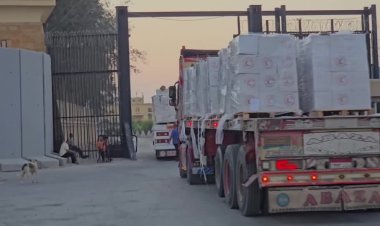


Khartoum faces severe power crisis
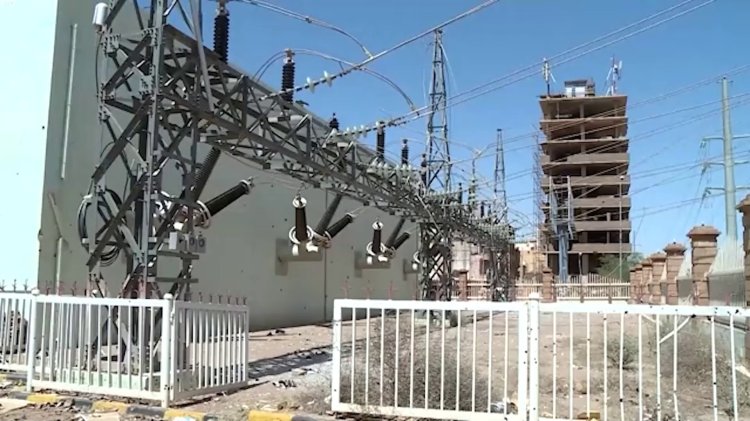
Khartoum faces a severe electricity crisis. Residents experience blackouts over eighteen hours daily, disrupting daily life, services, economic activity. This unreliable supply spurred demand for alternatives like generators and solar systems.The crisis stems from damage to critical infrastructure, including generation and transmission lines. Damage results from systematic attacks, vandalism, and drone strikes, due to ongoing conflict. Electricity supplies from Ethiopia have also halted, compounding the deficit.Demand surged due to high summer temperatures and returning residents, worsened by major generation plants offline for maintenance and persistent supply chain constraints, especially fuel. National generating capacity declined from 2,500 to 1,900 megawatts, a forty percent loss.The impact on residents and the economy is profound. Businesses face losses from spoiled goods and increased operating costs from generators. Essential services like food storage and healthcare are disrupted, challenging vulnerable populations.A rehabilitation program is underway for the power sector. Over 260 megawatts are restored to the national grid, with over 600 projected upon completion. More than twenty substations and over 1,700 kilometers of transmission lines have been repaired. Solar energy is a crucial alternative, providing a reliable source for farms, clinics, businesses, reducing reliance on expensive diesel. The government promotes power sector recovery and develops a vision for it. Substantial financial investment is critical.