King Haakon swears oath to Norway's parliament
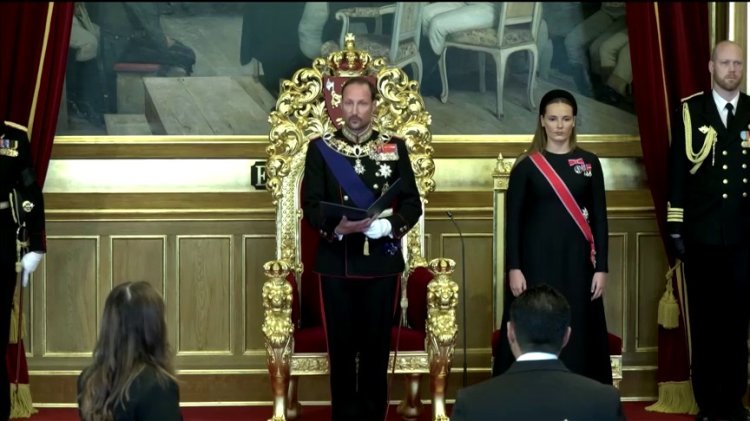
Norway has a new monarch, King Haakon, who officially swore his oath before the Storting after the passing of his father, King Harald V. This marks a significant moment, affirming the monarchy's continuity and constitutional role. Upon his father's death, Haakon Magnus immediately ascended as King Haakon VIII. The Constitution dictates the heir apparent automatically becomes sovereign. The oath, a cornerstone of the constitutional monarchy, saw the new king pledge to govern Norway by its laws and uphold democratic principles, as prescribed by Article 9 of the Constitution. This underscores the monarch's role as a unifying head of state within a parliamentary democracy. The late King Harald V reigned for three decades, beloved for his dedication to public service and efforts to modernize the monarchy. He guided Norway through significant changes with a steady hand and commitment to national unity. King Haakon VIII carries forward this profound legacy. His oath symbolizes the enduring bond between monarchy and democratic institutions. The ceremony, attended by royal family, government officials, and society representatives, highlighted the peaceful transition of power. The new king's reign begins with a commitment to national welfare. His address to parliament emphasized unity, service, and collective effort for the country's future. The monarchy serves as a vital symbol of national identity and tradition, maintaining deep roots in Norway's history. This transition testifies to Norway's stable democratic system and respect for royal heritage, promising continuity and stability under the new sovereign.