Madagascar military seizes power
Colonel leads takeover after Rajoelina’s exit amid youth protests
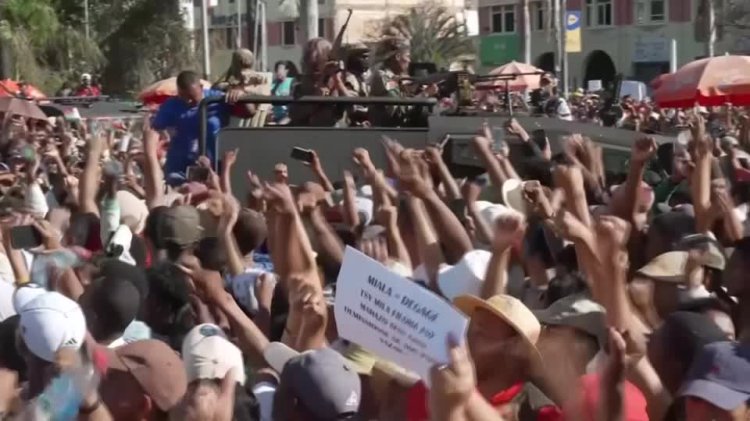
Madagascar’s military has seized control after President Andry Rajoelina left the country amid escalating unrest and defections within the armed forces. Colonel Michael Randrianirina, who led a faction of soldiers that joined youth-led protesters, announced on national radio that the military had “taken power” and would dissolve several state institutions while preserving the lower house of parliament, the National Assembly. The Assembly had voted to impeach Rajoelina shortly before the military’s declaration.
The takeover followed weeks of mass demonstrations, primarily driven by young people protesting chronic power cuts, water shortages and broader economic grievances. Crowds gathered in Antananarivo’s 13 May Square and outside city hall, where protesters welcomed both the impeachment and the military intervention as a triumph after violent clashes with security forces that had at times seen troops attempt to suppress the unrest. Activists publicly celebrated the developments, saying the shift represented a hard-won victory for the movement.
Rajoelina left on a French military plane but has reportedly refused to formally step down. The presidency described the impeachment as unconstitutional and has not immediately responded to the military’s announcement. Meanwhile, reports indicate the country’s top court invited Colonel Randrianirina to assume an interim presidency and directed him to oversee a transition that includes organizing new elections within 60 days. The military said it would suspend several institutions, including the Senate, the High Constitutional Court, the national electoral commission and certain judicial and oversight bodies, while keeping the National Assembly in place for now.
The crisis underscores a sharp split between the presidency, parts of the security forces and civilian protesters. The elite CAPSAT unit’s decision to side with demonstrators marked a turning point, as soldiers who once helped enforce order refused further orders to crack down on civilians. That defection, coupled with sustained public pressure, accelerated the collapse of effective presidential authority.
International reactions urged respect for constitutional norms. French President Emmanuel Macron said France recognized the grievances of young people but warned against allowing those grievances to be exploited by military actors. Regional and global observers are monitoring developments closely, seeking reassurance that the transition will restore civilian governance rather than entrench military rule.