Mexico City march denounces violence
Protesters demand stronger action to protect women
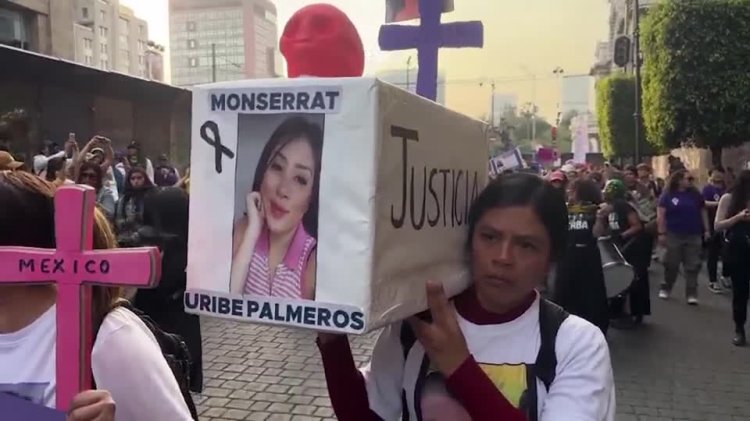
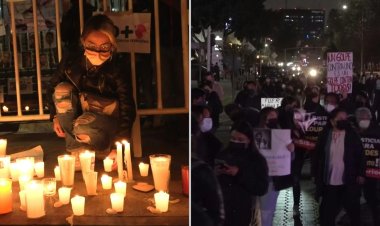
Hundreds marched through Mexico City to mark the International Day for the Elimination of Violence against Women, pressing for urgent action as gender-based killings and harassment persist. Participants, many dressed in purple and green, moved along Reforma Avenue toward the Zócalo carrying photos of victims and banners with messages including “Stop misogynist insults,” “Ni una menos” and “Vivas nos queremos.” Chants, drums and personal testimonies echoed through the procession as organisers read the names of women killed in recent months.
The demonstration spotlights alarming statistics cited by regional authorities: a recent ECLAC report recorded 852 femicides and 3,739 female homicides nationwide in 2024. Marchers and human rights groups said those figures reflect entrenched impunity and uneven enforcement of laws meant to protect women, with survivors often struggling to obtain timely protection or justice. Protesters demanded concrete measures including stronger prosecution of perpetrators, more funding for shelters, specialist prosecutors, expanded social services and comprehensive support for people at risk both in private homes and public spaces.
Public outrage has intensified after high-profile incidents of sexual violence, including a case in which a man groped President Claudia Sheinbaum during a public event; officials say she filed a complaint. Activists pointed to legal progress such as the 2021 Olimpia Law, which criminalises digital sexual violence and protects victims’ sexual privacy, but stressed that legislative gains must be matched by implementation, resources and cultural change.
Speakers at the march criticised what they described as institutional inertia and demanded accountability from authorities at all levels. Several participants shared personal stories of abuse and disappearance, underscoring the human toll behind the statistics and the motivation for sustained mobilisation. Organisers emphasised the need to include marginalized groups—migrants, indigenous women and those in remote areas—who often face greater barriers to accessing services.
The protest formed part of broader regional and international activism connecting local campaigns to global efforts to end gender-based violence. While the march proceeded peacefully, organisers insisted that symbolic rallies alone are insufficient: they called for measurable policy reforms, increased budgets for prevention and protection programs, and systemic changes to address root causes such as economic dependence, discrimination and social norms that tolerate violence.