

Mexican wrestlers' sacred pilgrimage
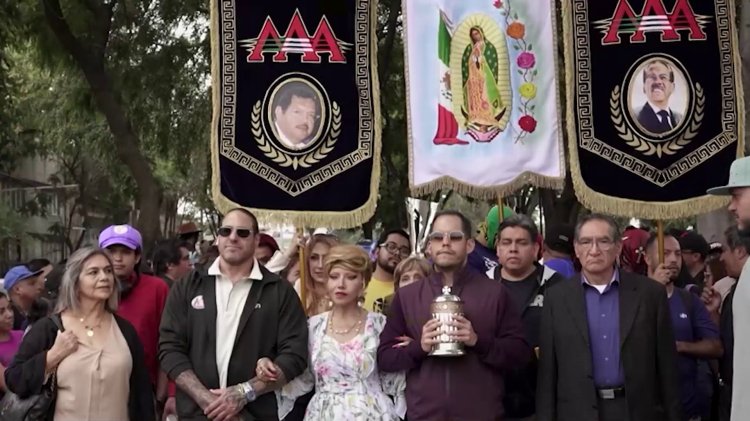
Lucha Libre, Mexico's iconic freestyle wrestling, is a captivating spectacle deeply woven into the nation's cultural fabric. Beyond acrobatics and vibrant masks, it's a rich tradition, recognized as an intangible cultural heritage. Luchadores are celebrated figures, embodying athletic prowess and theatrical storytelling. Their dramatic contests, pitting "tecnicos" (good guys) against "rudos" (villains), are a cherished part of Mexican identity, drawing passionate crowds who engage with every slam. This blend of sport and performance reflects the country's vibrant cultural imagination.In a unique convergence of sport and spirituality, these masked athletes undertake an annual pilgrimage to the Basilica of Our Lady of Guadalupe in Mexico City. This revered basilica stands on Tepeyac Hill, where, according to Catholic tradition, the Virgin Mary appeared to Juan Diego in 1531. It is a focal point for millions of pilgrims, especially around the Feast Day of Guadalupe on December 12th. They come to seek spiritual renewal, offer prayers, and pay homage to Mexico's patroness, whose image symbolizes national identity and faith.The Lucha Libre pilgrimage powerfully demonstrates faith and tradition, revealing a unique dimension of their public personas. Stripped of in-ring rivalries, the luchadores unite in solemn procession, carrying images of the Virgin and fervent prayers. This act highlights the intricate connection between popular culture and deep-seated religious belief in Mexico, underscoring how spiritual practices are ingrained in various aspects of Mexican life. This event reinforces the intricate tapestry of Mexican heritage, where the sacred and the spectacular coexist.