

Mogadishu holds rare direct vote
Residents cast ballots under heavy security

Polling stations opened in Mogadishu for a rare one-person-one-vote municipal election, marking a significant break from Somalia’s long-standing clan-based power-sharing system. The ballot is the first time in decades that residents can directly choose local representatives, a shift the federal government and international partners frame as a step toward stronger accountability and rebuilding state institutions.
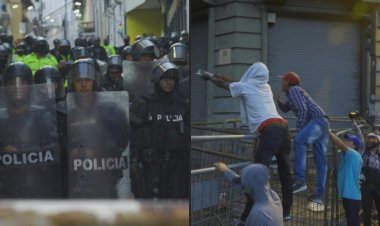
Voting proceeded under heavy security, with police and Somali forces deployed to guard key sites amid repeated threats from the al-Shabaab militant group. Officials described turnout as cautious but steady and said thousands had registered, though they expected uneven participation because of insecurity and public skepticism after years of instability. Many residents called the day symbolic, expressing a desire to move beyond indirect rule even as they acknowledged imperfections in the process.
Supporters argue the move to direct elections could give citizens a more meaningful voice in governance—especially in rapidly growing Mogadishu—while critics warn the transition risks marginalizing smaller clans and upsetting fragile power balances if safeguards are not put in place. Some clan leaders and opposition figures also raised concerns about whether the electoral body is impartial and whether conditions were sufficiently secure for widespread participation.
Authorities said lessons from Mogadishu’s vote will guide plans to extend one-person-one-vote elections to other regions, but they acknowledged that wider progress hinges on improved security and political consensus. International observers welcomed the exercise as a cautious milestone, emphasizing that sustained support and inclusive dialogue will be critical for any enduring democratic gains.
Results are expected to be announced in the coming days. The federal government hopes the process will set a precedent for broader democratic reforms, while acknowledging that the true test will be whether the experiment can be replicated safely and fairly across the country.