

War fragments become art in Lebanon
Artist turns shrapnel into a museum of memory
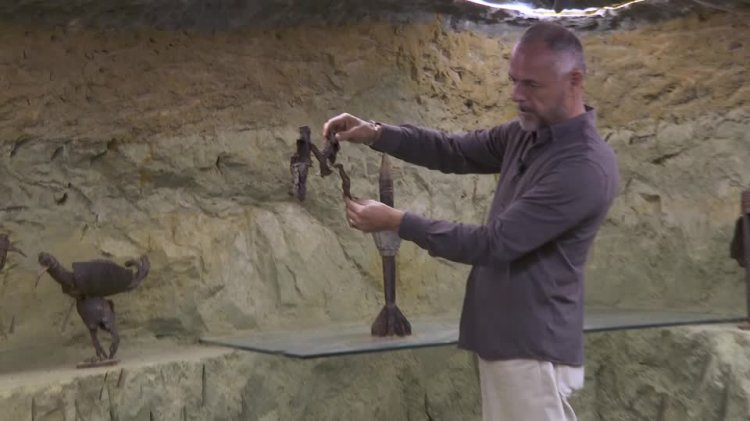
Lebanese artist Charles Joseph Nassar has converted war remnants into a permanent exhibition at the Shazaya museum in Remhala, Aley, transforming shrapnel, twisted metal and shell fragments into sculptures that probe violence, memory and survival. The collection, amassed over decades, is presented in varied settings—outdoor installations, an indoor “cave” gallery and a distinctive metal treehouse—each work often labeled with the location where its materials were found.
Nassar described long-term efforts to excavate, conserve and display the pieces, citing technical challenges such as constructing a tunnel for the site and managing humidity and temperature to preserve the artworks. The project’s name, Shazaya—Arabic for “fragments”—signals both the physical materials and the fractured lives left by conflict.
The museum, modest in scale but symbolic in scope, was added to Lebanon’s national museum list by the Ministry of Culture in 2024 and has drawn visitors and local educators who say the exhibits channel collective pain into a message of hope. Curators and cultural commentators place Nassar’s work within a wider Lebanese artistic tradition that addresses the country’s repeated cycles of war and instability, treating art as a form of testimony and resistance to forgetting.
Shazaya functions as exhibition space and archive: explanatory labels link pieces to specific incidents or locations, encouraging visitors to confront concrete traces of past violence rather than abstract statistics. Nassar emphasizes that the work does not glorify conflict but seeks to reclaim its detritus, turning instruments of harm into objects for reflection and healing.
As Lebanon continues to contend with political and economic uncertainty, the museum aims to grow as a living repository of memory. Visitors describe the experience as unsettling yet necessary, arguing that making the realities of war tangible can foster understanding and resilience. Authorities and cultural observers say Shazaya underscores the role of artistic practice in processing trauma and preserving historical memory in communities repeatedly exposed to conflict.