Morocco pledges reforms after youth protests
Government vows investment in health, education and jobs amid unrest
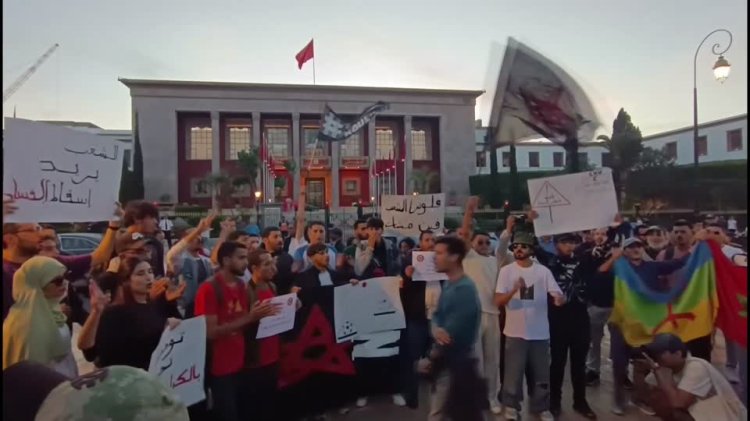
Thousands of students and recent graduates staged protests in Rabat, Casablanca, Tangier, Agadir and other cities, denouncing overcrowded classrooms, poor hospital conditions and what they see as excessive spending on high-profile infrastructure like stadiums ahead of major sporting events. Demonstrations were met with street closures and, in some cases, force by security services; rights groups criticized the crackdown and urged dialogue. Protesters carried slogans such as “Hospitals before stadiums” and accused officials of ignoring youth unemployment and limited access to quality public services.
The Moroccan government announced a package of measures to address demands from a wave of youth-led protests that began after the deaths of pregnant women at a hospital in Agadir and quickly spread nationwide, state media MAP reported. Authorities pledged stronger investment in public education and healthcare through the 2026 draft finance bill, proposing nearly $13 million for those sectors and plans to create more than 27,000 jobs in health and education. Officials said social spending would be prioritized and broader social reforms would follow to tackle longstanding inequalities and regional disparities.
To boost civic engagement, a separate draft bill would lower eligibility barriers for political candidates under 35 and provide financial support covering up to 75% of campaign costs, while another proposal aims to strengthen political parties, improve transparency and encourage greater participation by women and young people. The measures come amid sustained demonstrations organized online under the banner “Gen Z 212,” whose initial demand for accountability over hospital fatalities expanded into calls to end corruption, improve public services and overhaul the government’s priorities.
Official data cited by authorities point to improvements in poverty reduction—from nearly 12% in 2014 to 6.8% in 2024—but activists say persistent gaps in education and healthcare staffing and resources fuel discontent. The government framed the announced measures as a response to young people’s grievances and a bid to channel youth participation into formal politics, while pledging to accelerate reforms in the health and education systems that protesters have demanded.