Paul Biya sworn in for eighth term in Cameroon
Protests erupt as opposition rejects disputed election

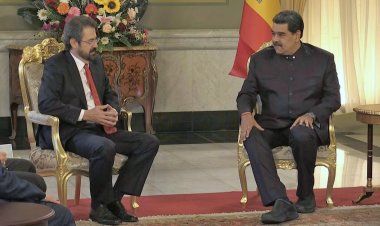
Cameroon’s long-ruling president, Paul Biya, was sworn in for an eighth term following a disputed election that sparked widespread protests and deadly clashes. In his inauguration speech, the 92-year-old leader acknowledged the gravity of the country’s problems and vowed to restore order, accusing “irresponsible politicians and the diaspora” of fomenting unrest. Official results declared Biya the winner with 53.66% of the vote, while opposition candidate Issa Tchiroma Bakary received 35.19% and rejected the outcome as fraudulent, urging mass demonstrations.
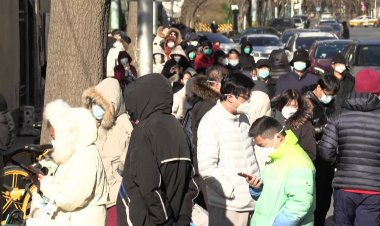
The election period saw significant unrest in major cities, including Douala and Garoua. Two U.N.-linked sources reported that security forces killed 48 civilians during protests connected to the vote; the government has not published its own casualty figures or responded to those counts. The clashes underline an acute legitimacy crisis: many Cameroonians and international observers questioned the transparency of the ballot and criticized the government’s handling of dissent.
Biya, who first took power in 1982, became the world’s oldest serving head of state and can remain in office into his late 90s after a 2008 constitutional amendment removed presidential term limits. Critics contend that successive elections under his rule have lacked meaningful competition and transparency, consolidating power around the presidency and shrinking democratic space. Supporters, however, portray Biya as a stabilizing figure and emphasize continuity of leadership amid regional security and economic challenges.
The newly inaugurated term confronts several urgent challenges. A demographic reality—more than 70% of the population is under 35—creates strong expectations for jobs, education, and political inclusion that much of the electorate feels remain unmet. Economic stagnation, infrastructure deficits, and persistent governance problems exacerbate public frustration. Observers warn that relying primarily on security measures to quell dissent risks deeper polarization and could fuel further unrest.
Opposition groups and civil society pledged continued mobilization, legal challenges, and calls for independent investigations into the reported violence. International actors have urged transparent inquiries into the deaths and greater respect for civil liberties. How the government responds will shape Cameroon’s immediate political trajectory: a path toward openness and reform would require meaningful engagement with opponents, accountability for abuses, and credible steps to strengthen electoral institutions; an alternative course emphasizing securitization and suppression of dissent could deepen domestic divisions and attract further international criticism.