

Gaza families rely on soup kitchens amid aid gaps
Shortages leave thousands hungry nearly a month into truce

Thousands of Palestinians in Khan Younis are increasingly dependent on charity-run soup kitchens as aid shortfalls leave many without regular food nearly a month into a ceasefire that was intended to ease humanitarian access. Displaced residents queue for portions of rice, lentils or soup; some leave empty-handed after supplies run out. Aid agencies say only a fraction of the assistance needed is reaching Gaza: the World Food Programme estimates about half the required food is arriving, while a coalition of Palestinian groups places overall aid volumes at roughly one-quarter to one-third of expectations.
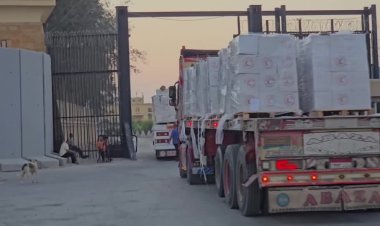
The ceasefire agreement calls for an average of 600 aid trucks per day into Gaza; Israeli authorities assert they are meeting those terms and accuse Hamas of diverting supplies, an allegation denied by the group. Gaza’s local administration reports far fewer convoys reaching destinations, estimating only about 145 trucks daily are delivering goods due to Israeli restrictions. Damaged infrastructure, restricted access, and soaring food prices compound the crisis as winter approaches and makeshift shelters deteriorate after a prolonged offensive.
Humanitarian organizations warn that community kitchens face collapse if flows are not scaled up, noting that more than one-third of Gaza’s population now depends on such services. Officials and aid workers say the failure of these kitchens would be catastrophic for survival in the enclave. Local testimonies underscore the precariousness: displaced parents describe having to leave for work or shelter while relying on uncertain, limited distributions to feed families.
Emergency teams in Khan Younis are mapping needs and appealing for increased, sustained access and supplies. Until aid delivery is substantially expanded and reliably routed to distribution points, residents will remain reliant on soup kitchens as their primary, and often insufficient, source of daily meals. The situation highlights persistent gaps between ceasefire expectations and on-the-ground realities, raising urgent calls from humanitarian actors for immediate scaling up of assistance and unobstructed delivery to reach vulnerable communities across Gaza.