Philippines erupts over flood graft scandal
Protests turn violent as Marcos orders independent probe

Nationwide protests erupted in the Philippines over alleged corruption in flood‑control projects, where trillions of pesos were spent on “ghost” works—contracts inflated, never completed, or built substandard. President Ferdinand Marcos Jr. acknowledged the anomalies and ordered an independent commission to investigate.
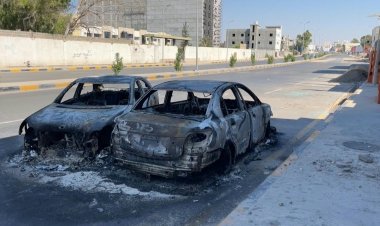
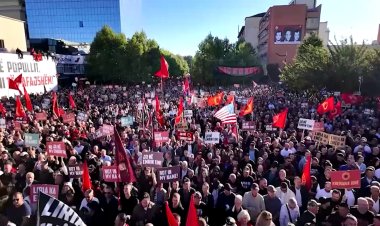
Around 90 000 people marched from Luneta Park to the EDSA People Power Monument. Most of the rally stayed peaceful, demanding transparency and the release of detained activists. Violence flared at Ayala Bridge, Mendiola Street and near Malacañang Palace: masked individuals set a truck and motorcycles on fire, hurled rocks and improvised weapons, and clashed with police. A motel lobby on Recto Avenue was ransacked after gunshots, prompting tightened security at the presidential compound.
Authorities reported over 200 arrests, many minors, and claimed zero casualties. Interior Secretary Jonvic Remulla denied any deaths, calling online reports “fake news,” while the health department confirmed an unidentified man died after being stabbed, contradicting the interior minister. Remulla also alleged youths were paid ₱3 000 each to incite unrest and denied tear‑gas use, despite video evidence.
Officials offered conflicting explanations. Mayor Isko Moreno cited unverified reports of a former politician and a lawyer funding agitators. Palace press officer Claire Castro labeled the unrest the work of a “Black Team” seeking chaos, implying political opponents orchestrated it. The Department of Information and Communications Technology linked the incident to hacktivist group Anonymous Philippines, which quickly disavowed responsibility and condemned violence.
Civil‑society groups rejected the finger‑pointing. Leaders from Tindig Pilipinas, the International Coalition for Human Rights in the Philippines, and UP‑Diliman political‑science professor Jan Robert Go argued the protesters were urban‑poor youth angry over flooding and stolen public funds. They warned that threats of sedition charges aimed to silence dissent and called for an independent investigation into police conduct.
A Senate inquiry into flood‑control contracts uncovered deliberate overpricing and substandard work in Bulacan and nearby provinces, with corruption estimates exceeding 20 %. President Marcos pledged that “no one will be spared” in the probe, reinforcing a broader wave of civic activism demanding accountability and transparency.