


Khamenei rejects U.S. demands on nukes
Iran vows enrichment will continue despite foreign pressure
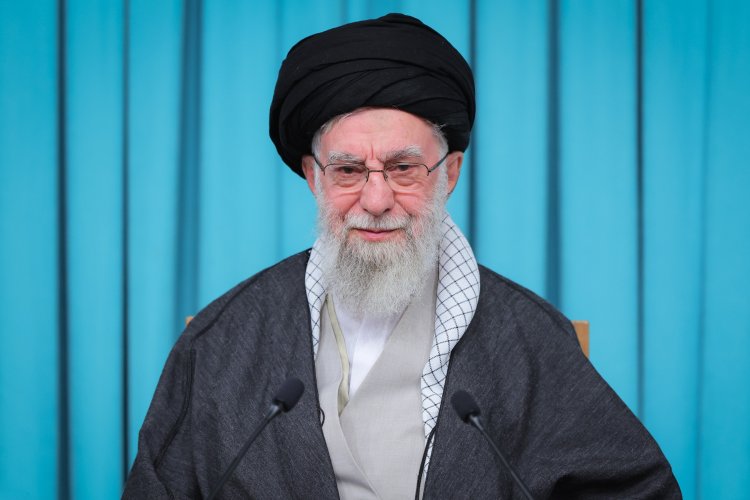
Leader of the Islamic Revolution, Ayatollah Seyyed Ali Khamenei, rejected U.S. demands in a televised address, arguing that negotiating under threat would make Iran “susceptible to intimidation” and would never end, as each concession would invite new demands. He said Washington’s only acceptable outcome—shutting down Iran’s nuclear program and ending enrichment—constitutes dictation, not negotiation, and warned that such pressure would force Iran to “tremble and surrender” step by step.
Khamenei reaffirmed that Iran will never abandon its nuclear enrichment, describing it as a hard‑won national achievement. He noted that Iran now ranks among a handful of countries capable of 60 % uranium enrichment, a level sufficient for civilian needs, and emphasized that the nation has no intention of pursuing weapons‑grade material. He highlighted the thousands of scientists and specialists sustaining the program, insisting that “science cannot be destroyed” despite recent Israeli‑American strikes on Iranian nuclear facilities.
The leader also condemned U.S. calls for Iran to relinquish both short‑ and long‑range missiles, framing them as an attempt to render the country defenseless. He warned that accepting such demands would set a precedent for endless threats, each tied to a new Iranian capability.
Turning to recent hostilities, Khamenei said the 12‑day Israeli‑American attack on Iran’s nuclear sites failed to destabilize the country because of strong national unity. He claimed foreign adversaries tried to assassinate commanders and incite riots to undermine the Islamic Republic, but replacements were quickly appointed and morale in the armed forces rose. Public demonstrations, he said, were directed against the enemy, not the regime.
Finally, the ayatollah cautioned that external powers are now attempting to portray Iran’s unity as temporary and to sow internal discord. He urged the preservation of national cohesion, asserting that the “factor of national unity still remains” despite ongoing foreign campaigns.