Sweden, Poland drill in Baltic hotspot
Gotland exercise signals NATO’s readiness against Russia
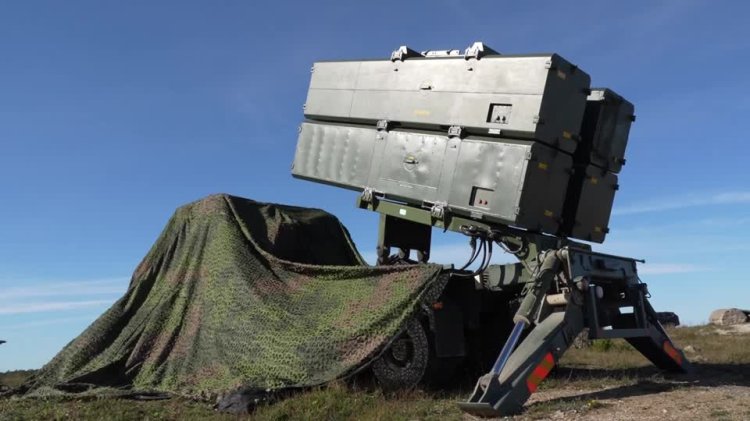
Swedish and Polish troops are conducting Operation Gotland Sentry on the Swedish island that dominates the central Baltic Sea. The drill brings together paratroopers, coastal‑missile batteries, anti‑ship defenses and Sweden’s RBS‑15 long‑range missiles to rehearse a rapid defence against a hypothetical eastern incursion. Quartermaster Oscar Hannus called Gotland “a huge aircraft carrier in the Baltic,” highlighting its role as a fixed missile platform that can control sea lanes and air corridors.
Gotland sits about 300 km from Russia’s Baltic Fleet in Kaliningrad, making it a key buffer and staging point for NATO to move troops and supplies to the Baltic states of Lithuania, Latvia and Estonia. After being demilitarised post‑Cold War, Sweden rebuilt a permanent presence from 2016 onward, reactivating the Gotland Regiment, installing ground‑to‑air missile batteries and upgrading radar and hardened facilities.
Sweden’s NATO membership in March 2024 gives Gotland a collective defence guarantee: an attack on the island would trigger Article 5. The exercise therefore serves both as a deterrent signal to Moscow and as practical training for swift reinforcement, logistics coordination and joint command among NATO partners.
During the drill Swedish units fired mock missile salvos at simulated seaborne threats, Polish paratroopers performed airborne insertions, and air‑defence teams tracked simulated aircraft. The scenario tested communication, command‑and‑control and the integration of Polish and Swedish forces under a unified NATO structure.
Analysts view the drill as a response to heightened tensions after Russia’s 2022 invasion of Ukraine. By turning Gotland into a fortified, missile-armed hub, Sweden and its allies aim to deny Russia any easy foothold, protect the Baltic shipping route and ensure rapid reinforcement of the region.
Overall, Operation Gotland Sentry showcases Gotland’s shift from a tourist spot to a pivotal NATO asset, whose strategic location and upgraded defence systems make it a linchpin for controlling the Baltic Sea and deterring potential Russian aggression.