Polar wave brings deep freeze to Buenos Aires
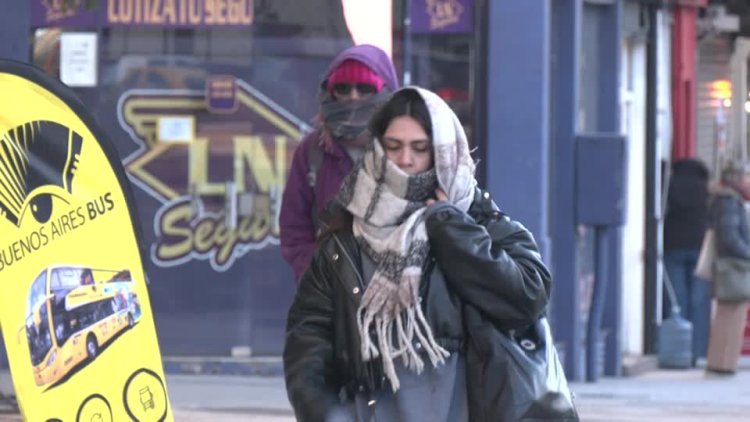
A polar wave has hit Buenos Aires, Argentina, bringing temperatures down to -1°C (30°F) on July 1, marking the coldest day of the week. The National Meteorological Service (SMN) had previously warned that freezing conditions would affect the capital and the greater Buenos Aires area, resulting in vehicles covered in frost and grass blanketed in ice crystals.
Engineer Juan Manuel Amnini, bundled in layers of clothing, described the conditions as "literally, nearly frozen" while commuting to work. The cold wave has also led to unexpected snowfall in several provinces across Argentina in recent days. Weather forecasts indicate that the frigid temperatures will persist throughout the week, with particularly cold mornings expected.
Buenos Aires recorded temperatures around -5°C (23°F), making it the sixth-lowest temperature in 118 years, according to La Nación. This severe cold snap is attributed to Antarctic winds sweeping across Argentina, Chile, and Uruguay. The SMN has issued weather alerts for multiple provinces due to the extreme cold and strong winds, warning that temperatures will remain significantly below average.
Residents are advised to take precautions against the cold, including dressing in layers, ensuring proper ventilation when using heaters to avoid carbon monoxide poisoning, and minimizing outdoor exposure. The city's infrastructure, which is not typically equipped for such low temperatures, is under strain, prompting authorities to urge vigilance, especially for vulnerable populations.
This cold wave in Argentina is part of a broader pattern of extreme weather events affecting both hemispheres, with Europe and North America simultaneously experiencing unprecedented heatwaves.