Rome court clears Extinction Rebellion activists
Judges rule peaceful protest outside ministry was legal
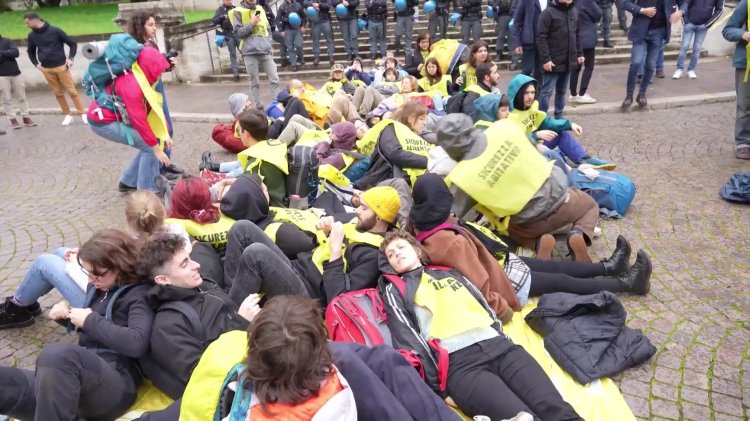
The Tribunal of Rome has archived 107 denouncements linked to a peaceful Extinction Rebellion encampment outside the Ministry of the Interior, where more than a hundred activists pitched tents in Piazza del Viminale to protest government climate policies and the former “DDL Sicurezza.” The court concluded participants did not commit crimes, ruling that taking part in a non‑prearranged demonstration is not punishable.
Despite the archival decision, 33 protesters remain subject to administrative expulsion orders barring their return to Rome. The Lazio Administrative Tribunal (TAR) recently upheld a 15‑month expulsion for one activist, forcing her to leave the city despite permanent residence and employment there. She plans to appeal to the Council of State after her legal challenges were rejected; she and others say the expulsions constitute severe restrictions on personal freedom applied to citizens with no criminal records. Extinction Rebellion has condemned the measures, arguing that police authorities, through the Questure, increasingly act as both investigator and judge by issuing restrictive orders without regular criminal trials — a practice the group calls a denial of the rule of law.
Tensions have spread beyond the Viminale encampment. Authorities moved in force to disperse protesters during mass demonstrations that followed the dropping or reduction of some charges against activists, deploying water cannons, armoured vehicles and plainclothes officers around Piazza Santa Maria Maggiore and Via Merulana. Police say several demonstrators were detained for identification and that blockades were cleared swiftly as protests threatened to escalate. Human‑rights organisations criticised the security response and the continued imposition of administrative restrictions on individuals whose criminal charges were dismissed, citing Italy’s obligations to protect freedom of expression and assembly.
The Interior Ministry defended the operations, saying enforcement was necessary to maintain public order and security under recently enacted legislation. The confrontations and subsequent legal rulings highlight deepening divisions in Italian society: protest movements pressing for political and environmental change, and a government prioritising law, order and security. How courts and authorities handle the remaining expulsion orders and broader procedural questions may influence future limits on assembly rights and the balance between administrative policing powers and civil liberties.